NewZapp Wins Technology & Innovation Award for NHS Email Spoofing Solution

NewZapp Wins Technology & Innovation Award for NHS Email Spoofing Solution

newzapp-internal-comms-award-winners

NewZapp Trusted Delivery is proud to announce that we have been honoured with a Technology & Innovation Award for our NHS email spoofing solution. This award recognises the profound impact our software has had in addressing email spoofing challenges within the NHS, ensuring that critical updates can be securely delivered to staff.

Share This Post

Revolutionising NHS Email Communications

The Technology & Innovation Award celebrates how NewZapp Trusted Delivery has transformed the way NHS communicators distribute vital information. As NHS organisations across the UK faced severe communication challenges during the pandemic, our platform provided an essential solution by enabling secure and reliable email delivery even in high-stakes situations.

The Judges’ Verdict

The judges were particularly impressed by the real-world results our solution has delivered for the NHS:

“A massive impact from a cracking comms company! NewZapp produced a game-changing specialist solution for the NHS which has had direct benefits for its staff, who now use a faultless IT system.”

This glowing endorsement highlights the effectiveness of our email platform, not only during the pandemic but also in ongoing communications.

Award winning

CEO’s Perspective: Commitment to Supporting NHS Communication Needs

Trevor Munday, CEO at NewZapp Trusted Delivery, commented:

“We are so thrilled to have our work recognised. We’ve been supporting organisations with their internal and external email communications for 23 years. The pandemic really shone a light on the importance of internal comms, and there is no place this was more vital than in the NHS.”

Munday emphasised the significant challenges that NHS communicators faced due to changing IT policies aimed at strengthening security:

“A change in IT policy to tighten security meant internal emails were no longer reaching their staff. We listened to the problems and quickly found an anti-spoofing solution that would make effective communication possible again.”

This challenge was unique to the NHS, but NewZapp’s experience, technical expertise, and commitment to solving complex problems allowed us to provide a seamless solution.

NHS Communication and the Spoofing Crisis

During the pandemic, NHS organisations implemented stricter IT security policies to protect sensitive health data. While necessary, these measures inadvertently created barriers to effective internal communication. One of the biggest issues was email spoofing—a type of cyber attack where attackers send emails appearing to come from trusted sources. In response, many emails were blocked or quarantined, meaning that crucial updates were not reaching NHS staff.

NewZapp stepped in with a highly effective NHS email spoofing solution, ensuring that internal emails could be trusted, authenticated, and delivered securely to their intended recipients. Our platform is fully compatible with NHS Digital Governance and adheres to the highest standards of Information Security Management (see: NHS Digital Information Governance Policy: https://digital.nhs.uk/services/information-governance).

By tackling this issue head-on, NewZapp has played a key role in re-establishing secure internal communications channels, allowing NHS teams to continue their vital work unimpeded.

For more on the threat of email spoofing and the importance of secure internal communications, read NHS Digital’s guide to cybersecurity in healthcare (URL: https://digital.nhs.uk/services/cyber-and-data-security).

Trusted Delivery for All Organisations

Although this issue was specific to the NHS, the implications of secure communication affect many sectors. As Munday explained:

“While this was a unique problem to the NHS, our experience, skills, and agility mean we could do exactly the same for anyone else that encounters communication challenges.”

This speaks to the broader applicability of NewZapp Trusted Delivery’s platform. Whether in healthcare, education, or business, email security is a universal concern. If your organisation is struggling with secure communications, our award-winning platform is designed to address your needs. We pride ourselves on our customer-centric approach and have the expertise to tailor our services to any industry.

Explore the wider benefits of anti-spoofing technology for business communications here (URL: https://www.forbes.com/sites/forbestechcouncil/2020/10/15/what-is-email-spoofing-and-how-can-you-protect-your-business-from-it/).

Why Internal Communication Matters More Than Ever

The pandemic has demonstrated that internal communication isn’t just about sharing updates—it’s about creating cohesion, building trust, and maintaining morale, particularly in the health sector. Strong communication frameworks ensure that everyone from frontline staff to executive leaders is aligned and informed.

A 2021 study by the Institute of Internal Communication found that organisations with effective internal communication strategies were 3.5 times more likely to outperform their peers (see: Institute of Internal Communication Research: https://www.ioic.org.uk/research).

At NewZapp, we’re committed to improving the working lives of internal communicators across all industries. By ensuring that messages are secure, timely, and delivered with precision, we help organisations maintain strong internal networks even in times of crisis.

Looking Ahead: The Future of Trusted Delivery

We’re honoured to receive this award and look forward to continuing our work with NHS organisations and beyond. With cyber threats on the rise, secure and reliable communication is more important than ever.

If you’re facing email communication problems that you haven’t been able to resolve, we’d love to help. Get in touch—we thrive on challenges and have the experience to develop tailored solutions for any industry.

Share This Post

darren hepburn

Darren Hepburn

Operations Director

Passionate about using my 30 years of owning my own businesses to help create better workplace environments.  A Bon Jovi loving TikTok junkie. I spend most of my time thinking about the impact technology is having on our society. 

More To Explore

The Power of Staff Recognition in the NHS: Boosting Morale and Performance

The Power of Staff Recognition in the NHS: Boosting Morale and Performance

Staff recognition

Staff recognition is a simple yet transformative practice. Despite its significance, many workplaces, including NHS organisations, fall short in recognising their staff’s efforts. This article discusses the profound impact staff recognition has on morale and productivity, and offers actionable strategies to enhance recognition within NHS teams.

Share This Post

The Neuroscience Behind Recognition

Research in neuroscience has revealed that receiving recognition stimulates the brain’s reward system, releasing dopamine, a chemical that fosters feelings of pleasure and motivation . This is why even small gestures of appreciation can significantly uplift staff morale and drive better performance.

Is There Enough Recognition in Your NHS Team?

In healthcare, particularly in the NHS, where pressures are high, taking the time to acknowledge colleagues often falls by the wayside. Yet, the benefits are undeniable. A study by the Gallup Organisation found that engaged teams show 21% greater profitability 

The question then becomes, how can we easily and effectively embed a culture of appreciation and recognition into our busy NHS environments?

5 Quick Ways to Increase Staff Recognition in the NHS

Here are five actionable strategies that NHS teams can adopt to create a culture of recognition:

  1. Encourage feedback-seeking – Often, employees are hesitant to ask for feedback. Shift the question from “Did I do a good job?” to “How did the project go?” This helps shift the focus from personal validation to constructive insight, fostering a culture of continuous improvement.

  2. Promote peer recognition – Recognition doesn’t always need to come from leadership. Encourage colleagues to acknowledge each other’s contributions. Tools like NewZapp Trusted Delivery provide a great platform for peer-to-peer engagement [https://www.newzapp.co.uk/trusted-delivery].

  3. Hold regular 1:1s – Line managers play a crucial role in team recognition. Regular one-on-ones allow for timely, personalised recognition and support. Unfortunately, these meetings often get deprioritised in healthcare, but making them a non-negotiable part of routine can enhance staff engagement.

  4. The power of ‘thank you’ – Sometimes the simplest gestures are the most effective. Whether it’s a verbal thank you or a quick email, these small acts can leave a lasting impact on staff morale.

  5. Start meetings with recognition – Before diving into agenda items, take a moment at the beginning of meetings to acknowledge individual or team achievements. This sets a positive tone and reinforces the importance of recognition in day-to-day operations.

A Challenge for NHS Communicators

For internal communications teams within the NHS, measuring success often poses a unique challenge. Unlike departments such as HR or finance, where performance can be measured through tangible metrics, communication teams rely heavily on qualitative feedback.

NewZapp Trusted Delivery provides NHS communicators with a unique advantage. With access to detailed analytics, they can see exactly how their messages perform, offering quantitative insights into staff engagement and satisfaction. This is invaluable in understanding how effective internal communications are at connecting staff with crucial information.

For Teams Relying on Outlook or Non-Analytical Tools

If you’re relying on basic platforms like Outlook, it’s harder to gauge the performance of your communications. However, this doesn’t diminish the critical role you play. Internal communications teams are the glue that holds the workforce together, keeping staff informed and connected to the resources they need. Take a moment to appreciate this often-overlooked contribution, and, whenever possible, seek feedback to ensure your efforts don’t go unnoticed.

Building a Culture of Recognition in NHS Teams

Ultimately, staff recognition is about creating an environment where every team member feels valued. By embedding simple practices into daily operations, NHS teams can foster a culture that not only improves morale but also enhances overall performance.

Whether it’s a quick ‘thank you’, incorporating feedback into meetings, or using advanced communication tools like NewZapp Trusted Delivery, recognition can be woven into the fabric of any NHS team. Start today by reflecting on how often you recognise your colleagues—and challenge yourself to do it more.


Share This Post

Rachel Stidworthy

Marketing Manager

With over 15 years’ experience in communications I have seen first-hand the difference strong internal communications can make. I am passionate about helping organisations reap the rewards of an engaged workforce and feel privileged to work for an organisation that has this same passion. We can achieve more when we work together towards the same goals. 

More To Explore

Strategies to Reduce Stress Among NHS Staff Using Internal Communications

Strategies to Reduce Stress Among NHS Staff Using Internal Communications

reduce the stress of NHS staff

The Critical Role of Internal Communications in Supporting NHS Staff

Stress is an inherent part of life, but within the high-pressure environment of the NHS, it can escalate to harmful levels, contributing to serious mental health conditions. As an internal communicator, you hold a unique position to influence, educate, and support staff, helping them manage stress and maintain mental wellbeing.

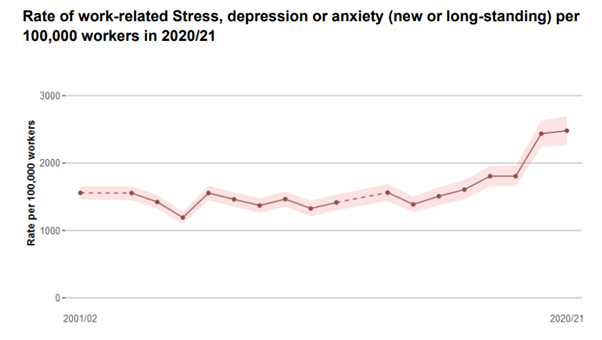
According to a Government report, NHS staff are 50% more likely to experience work-related stress compared to the general workforce, highlighting the urgency of addressing this issue. In December 2020 alone, stress, anxiety, and other psychiatric illnesses accounted for the loss of over 511,000 working days within the NHS

Share This Post

Understanding the Impact of Stress on NHS Staff

Stress often serves as a precursor to more severe mental health issues, such as anxiety and depression. In the NHS, the combination of excessive workloads, resource constraints, and the emotional toll of patient care exacerbates this problem. The long-term effects of chronic stress can be devastating, not only for individual staff members but also for the quality of patient care and the overall functioning of the NHS.

Current Efforts and the Need for Enhanced Support

The NHS has long recognised the need to mitigate stress among its workforce, especially in the wake of the COVID-19 pandemic. Budgets and resources have been expanded, and various initiatives have been launched. However, with ongoing challenges such as staffing shortages and rising demand, stress levels remain a significant concern.

Stress levels in 2020

Leveraging Internal Communications to Combat Stress

As an internal communicator, your ability to reach and influence large portions of NHS staff positions you as a key player in the fight against workplace stress. Below are strategies and resources you can use to support your colleagues’ mental health effectively:

1. Promoting Stress Management Resources

Raising awareness about available resources is crucial. Many NHS employees may not be aware of the support systems in place or how to access them. Here are some essential resources to share:

  • NHS Urgent Mental Health Helpline: A vital resource for staff in crisis situations. Ensure the helpline number is easily accessible in all communications.
  • NHS Guidance on Stress: Provides comprehensive advice and contacts for stress management. Regularly feature this in newsletters and internal portals.
  • Side by Side: An online community by MIND where NHS staff can share experiences and support each other.
  • Rethink Mental Illness: Offers practical advice on managing mental illness, living with conditions, and understanding carers’ rights.

These resources should be prominently featured in your communications, such as through email campaigns, intranet posts, and digital noticeboards.

2. Enhancing Stress Education and Prevention

Awareness is the first step towards prevention. By educating staff about stress, you can help them recognise early signs and take action before stress becomes overwhelming.

a) Understanding Stress

Stress isn’t always negative; it can drive motivation and productivity. However, when it becomes unmanageable, it can lead to significant health issues. Share educational content, such as Rethink Mental Illness’s guide on recognising stress and its effects . This guide can be included in a monthly wellness bulletin or during staff training sessions.

b) Educating Line Managers

Line managers play a pivotal role in stress management. They are often the first point of contact for frontline staff and can either help alleviate stress or unintentionally contribute to it. Consider developing a campaign to equip managers with the skills they need:

  • Recognising Signs of Stress: Circulate factsheets that list stress indicators, extending beyond just performance metrics to include behavioural changes .
  • Managerial Role Clarification: Emphasise that managers are not expected to diagnose or treat stress but should facilitate access to professional help.
  • Conversation Tools: Provide managers with the Talking Toolkit to help them initiate difficult conversations .
  • Building Compassionate Leadership: Encourage managers to assess their leadership styles using tools like the CIPD quizzes on managerial behaviour and barriers to compassionate leadership .

c) Promoting a Safe and Supportive Culture

A culture that prioritises mental health and encourages open conversations is crucial in reducing workplace stress. Here are steps to foster such an environment:

  • Highlight Safe Spaces: Make sure staff are aware of alternative support options, such as peer support groups or confidential helplines.
  • Share Success Stories: Encourage volunteers to share their experiences with stress management. Personal stories can inspire others to seek help.
  • Visibility of Mental Health Initiatives: Regularly update staff on ongoing mental health training and support initiatives. Increased visibility demonstrates the organisation’s commitment to mental health.

Remembering to Care for Yourself

Supporting others can sometimes lead to neglecting your own mental health. Take time to assess your stress levels using tools like the NHS stress test . Self-care is essential for maintaining your effectiveness as a communicator and a leader.

Enhancing Communication with NewZapp Trusted Delivery

To amplify your internal communications, consider using NewZapp Trusted Delivery. This tool is specifically designed for NHS organisations, allowing you to create visually appealing emails, target specific staff groups, and analyse engagement to refine your strategies. Learn more about how NewZapp Trusted Delivery can help you support your staff’s mental wellbeing effectively .


Suggested Research and Thought Leadership Links

Share This Post

Share This Post

darren hepburn

Darren Hepburn

Operations Director

Passionate about using my 30 yearsof owning my own businesses to help create better workplace environments.  A Bon Jovi loving TikTok junkie. I spend most of my time thinking about the impact technology is having on our society. And my pug Winston…

How to Create Engaging Internal Communications in the NHS

How to Create Engaging Internal Communications in the NHS

Engaging internal communications for NHS  organisations are not just about sharing information—they’re about ensuring that your messages resonate, engage, and prompt action from your staff. With the overwhelming volume of information that healthcare professionals face daily, crafting messages that capture and hold their attention is more challenging than ever.

Recent research highlights that our attention span has dropped from 12 seconds two decades ago to just 8 seconds today. This reduction is partly due to the constant distractions we face from smartphones, pop-ups, and a barrage of notifications. For internal communications to be effective in such a fast-paced environment, they must be concise, relevant, and engaging.

Share This Post

10 Strategies for Engaging NHS Staff Through Internal Communications

  1. Pitch Your Communications at the Right Level

Creating effective internal communications starts with understanding your audience and crafting messages that resonate. Subject lines and headers play a crucial role in this, as they often use up half of your 8-second window to capture attention. For instance, subject lines like “Upcoming changes: action required” or “Your input is needed today” have proven effective in grabbing attention, even when dealing with routine topics like policy updates or surveys.

Example Subject Lines for NHS Internal Comms:

  • “New Clinical Guidelines: Immediate Review Required”
  • “Staff Wellbeing Survey: Have Your Say Today”
  • “Important Update on Infection Control Measures”

Headers and subject lines need particular attention because these in themselves could use half of those precious 8 seconds. Draw upon your creative juices and really put yourself in the shoes of your staff to find a headline that will make them want to read on. Below are some of the best subject lines we’ve seen our customers use when covering some of the ‘drier’ topics.

Internal comms subject lines that work

• “Upcoming changes: action required” (used for a policy update)
• “Your input is needed today” (used for a staff survey)
• “[name], thank you” (used for a financial update)
• “The recipe for success” (used for a financial update)
• “We did it again” (used to notify people of a health and safety standard)

8 rules to follow when writing internal communications

In addition to the initial hook of the subject line, keep these best practices in mind with everything you write:

• Write for people, from people
• Use the vernacular your employees use
• Be succinct
• Use headlines to break copy up
• Ensure the purpose of the communication is upfront and clear
• Be consistent
• Always proof read!

  1. Adopt a More Visual Approach

Visual content is significantly more engaging than text alone. Studies show that 75% of employees are more likely to engage with video content than read an email or text. Incorporating visuals, such as infographics, charts, or videos, at the beginning of your communication can capture attention more effectively.

  1. Be Consistent but Flexible

Regular updates are essential to keep staff informed, but they must also be valuable. If there’s nothing new to communicate, consider sending a brief update or acknowledging the quiet period with a message like, “It’s been a quiet month—stay tuned for more updates next month!”

Regularity builds trust and familiarity, but authenticity keeps your audience engaged. For more on balancing consistency with flexibility, read this insightful piece on effective communication timing.

  1. Ensure Relevance Through Segmentation

Segmentation is key to maintaining relevance in internal communications. NHS staff work across diverse roles and locations, so not all information will be pertinent to everyone. By segmenting your audience based on factors like job role, department, or location, you can tailor messages to ensure they are relevant and engaging.

Not everything will be relevant to everyone. By segmenting your staff you will be able to filter the content they receive to keep them engaged.

We experience segmentation constantly. The recommendations we receive via our online supermarket shop relate to what we’ve bought before and the adverts that pop up on web pages are items we’ve looked at but not yet bought. We live in a consumer-led world in which we are presented with information that is relevant to us. We therefore expect the same ‘personalisation’ in our working lives.

If I repeatedly receive information that is not relevant to me, I will ignore it from the moment the message arrives. We’ve all been there. Think about the times you’ve ended up on a mailing list for something you have no interest in. Now, as soon as you see who the email is from, it goes straight into your deleted folder.

Your internal communications must have relevance. Only send internal communications to the people it is relevant for, or of interest to. These segments need to be mapped against the type of communications you send and you will probably have multiple segments for each member of staff. For example, geographical segmentation, job role segmentation and project segmentation.

There’s no right or wrong way to segment. Just segment against your communication plan.

Share This Post

  1. Personalise Your Communications

Personalisation goes beyond just addressing your staff by name. With the right segments in place, you can tailor your messages based on specific actions or behaviours. This level of personalisation can significantly enhance engagement, making your communications feel more relevant and direct.

Personalisation can be achieved through advanced email platforms that track and respond to user behaviour. 

  1. Leverage Existing Connections

People connect with people, not faceless entities. Ensure that your internal communications come from recognisable individuals within the organisation, rather than generic email addresses like “no-reply@nhs.org”. The sender’s identity can have a significant impact on how a message is received.

Combining updates with more personable messages—such as staff achievements or team successes—can make even the driest content more engaging. For strategies on leveraging connections in internal communications, see this case study on effective leadership communication.

  1. Make Information Easy to Digest

The structure and layout of your communications play a critical role in engagement. Use clear headings, bullet points, and short paragraphs to make your content scannable. Incorporating visuals, bold text, and colour can also enhance readability.

Additionally, consider accessibility. Communications should be easily accessible via multiple platforms—whether it’s email, intranet, or mobile apps. Ensure that the user journey is intuitive and efficient to prevent disengagement.

  1. Use Attention-Grabbing Techniques Sparingly

When you have critical information to share, don’t be afraid to use push notifications, pop-ups, or urgent email subject lines. However, reserve these techniques for truly important updates to maintain their impact.

Overuse can lead to desensitisation, where staff begin to ignore even the most critical messages. For more on the psychology of attention in communications, read this research paper.

  1. Be Conscious of Timing

Timely communication is crucial, especially in fast-paced environments like the NHS. Strive to be the first source of information whenever possible. Delayed updates can lead to misinformation or disengagement, as staff may already have received—and dismissed—incorrect details.

Timing also involves understanding your staff’s work patterns. Send non-urgent communications during quieter periods to increase the likelihood that they will be read and acted upon.

  1. Monitor, Analyse, and Adapt

Finally, continuous monitoring and analysis are key to refining your internal communications strategy. Metrics like open rates, click-through rates, and survey feedback provide valuable insights into what works and what doesn’t. Use these data points to adapt and improve your communications over time.

Conclusion

In the fast-paced world of the NHS, internal communications must be more than just informative—they need to engage and inspire action within those crucial 8 seconds. By following these 10 strategies, you can create internal communications that not only capture attention but also foster a stronger, more connected workforce.

NewZapp Trusted Delivery is an internal communications email platform designed specifically for NHS organisations. We provide the tools to create engaging communications that ensure guaranteed delivery and offer detailed analytics for continuous improvement.

Share This Post

darren hepburn

Darren Hepburn

Operations Director

Passionate about using my 30 yearsof owning my own businesses to help create better workplace environments.  A Bon Jovi loving TikTok junkie. I spend most of my time thinking about the impact technology is having on our society. And my pug Winston…

Trusted Delivery versus Outlook

Trusted Delivery from NewZapp

Trusted Delivery or Outlook?

Why not just use Microsoft Outlook for your internal communications campaigns. It is free after all.

But what are you missing out on? 

trusted-delivery-or-outlook

Internal comms email via Outlook

Microsoft Outlook has been the go to email solution for decades and technically free from a cost point of view. (Subject to individual Microsoft licences and other organisational requirements!) So why would you pay for another email provider? 

There are three key things you are missing out on. 

Speed

The difference between send time and actual delivery can be hours.

Analytics

Vital KPI metrics for you to use in management meetings.

Design

Branded mobile responsive emails that stand out in a crowded inbox.

So why make the switch to Trusted Delivery?

Speed

How long does it take for your urgent email communications to reach all your staff?

It’s 9am and there is a problem. You need to send an email campaign to the 10,000 NHS employees you are responsible for A.S.A.P. 

Outlook is limited to 30 emails a minute for sending, your campaign will take well over 5 hours to deliver.

In a nutshell – if your surname begins with a “V” no vital email for you until well after lunchtime!

Trusted Delivery will have that campaign out in under 30 mins.

Trusted Delivery

What our clients have to say

Guaranteed Email Delivery

NewZapp is the first and only Email Service Provider who can deliver mass email to NHS.net inboxes.

Guaranteed delivery. Vital NHS staff bulletin emails will arrive safely and securely in recipient inboxes.

Request a callback

Are you worried your internal communications emails are not getting delivered ? Fill in the form below and one of our team will be in touch A.S.A.P 

nhs email provider

Design

Creating an internal communications email in Outlook with its limited design tools and no mobile responsive capabilities is a challenge.

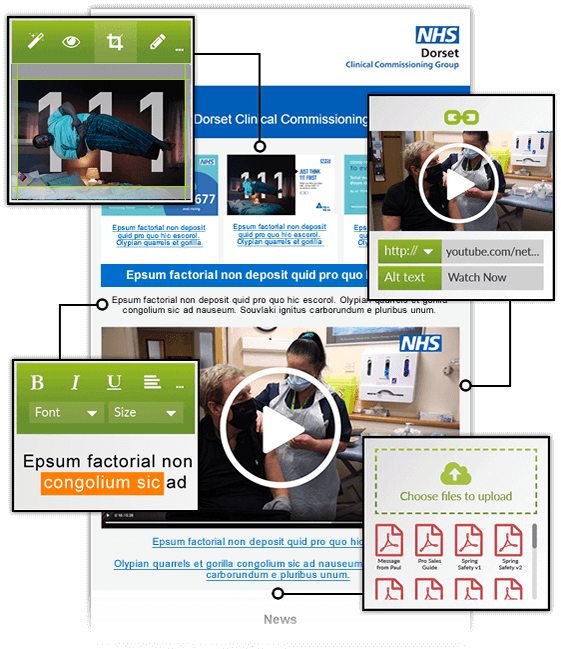
Trusted Delivery has a drag & drop email editor that will have you creating amazing email campaigns in minutes.

Our easy to use editor requires no HTML knowledge and every email newsletter will be mobile responsive.

Analytics

Hands up who remembers Read Receipts? This is the basic email analytics Outlook has to offer. Countless email acknowledgments sent back to the sender in an incoherent order.  Internal Communications analytics are vital if good employee employee engagement is to be achieved. 

The top 3 outcomes from good internal comms data

Leadership Buy-in

17% of internal comms professionals state that their biggest battle is seeking buy-in from their leadership team.

It means that internal comms becomes a valid, valuable Key Performance Indicator (KPI) that can be measured alongside other business goals.

Company Culture

Good analytics gives you the power to confirm staff understand where they fit within department goals and how they contribute to the success.

With better communications reaching more people your staff will have a greater understanding of the organisational vision and goals.

Improved Efficiency

Internal communications email analytics streamline operations.

Knowing email campaigns work makes your working life easier. It will also help you work more collaboratively with other colleagues who hold responsibility for internal comms or employee engagement.

Trusted Delivery Email Analytics

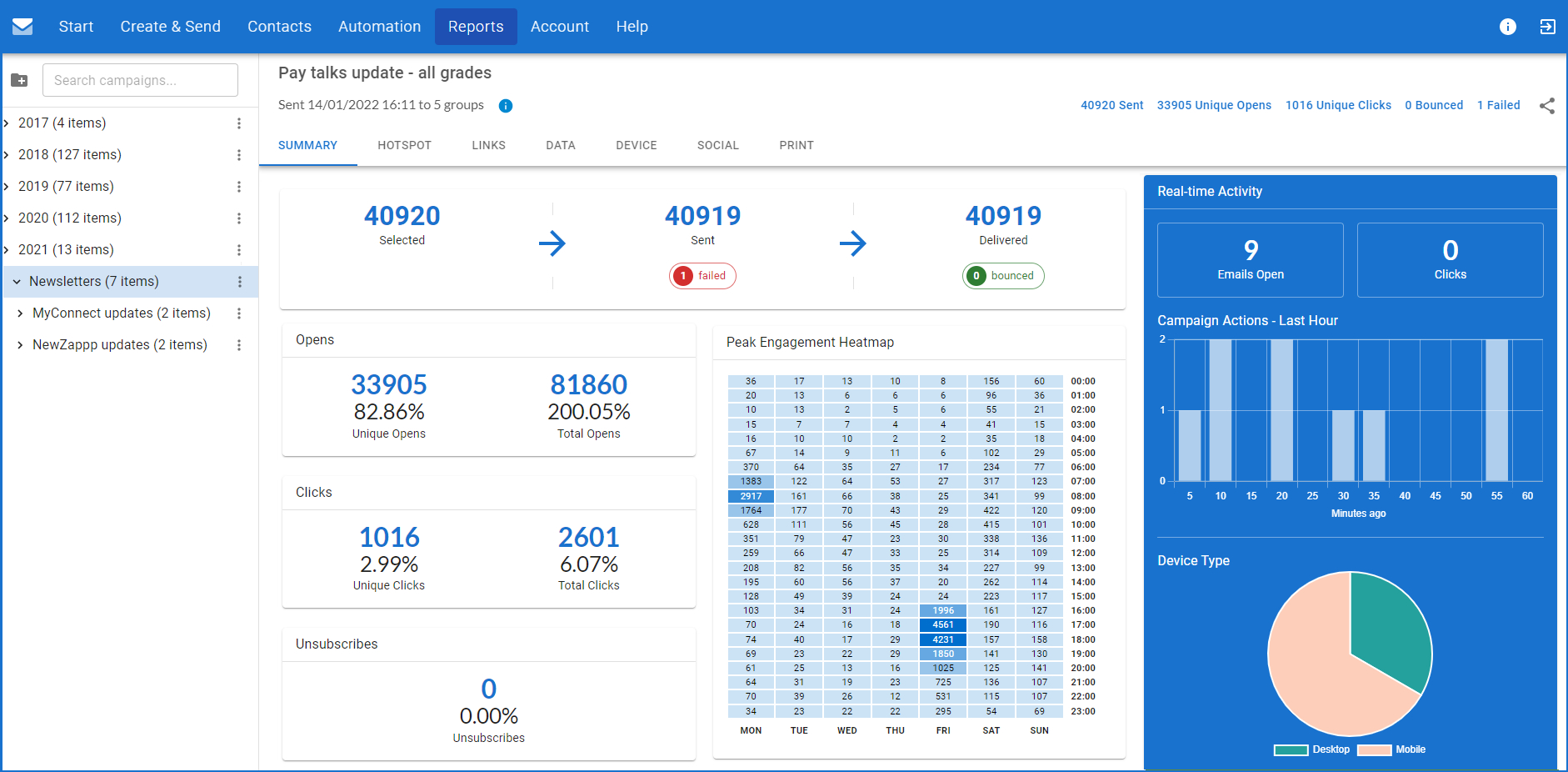
We offer every element of statistical analysis you will need. From open and click rates, to which device the email is opened on.

Our Peak Engagement Heatmap show what time you campaigns had the most engagement and a hotspot overview shows where the most clicks where achieved on the email. 

email analytics

Case Study

Salisbury NHS Foundation Trust were using Outlook to deliver their campaigns to 4,000 employees. They switched to Trusted Delivery in July 2021.

They send over 100,000 internal emails every month. Every one of these emails is guaranteed to reach the required destination and they do so far quicker than Outlook was able to achieve.

But it is the increased visibility that makes the biggest difference. Salisbury can now see the performance of every single email. Since using NewZapp Trusted Delivery they have used the analytics to inform their strategy which has increased their open rates to 60%.

Overcoming Barriers to NHS Staff Wellbeing: Enhancing Safety and Mental Health Through Effective Internal Communications

Overcoming Barriers to NHS Staff Wellbeing: Enhancing Safety and Mental Health Through Effective Internal Communications

keeping NHS staff healthy

Introduction: The Challenge of Keeping NHS Staff Healthy

The health and wellbeing of NHS staff are critical to the sustained success of our healthcare system. Despite the growing awareness and concerted efforts to address these issues, significant barriers persist. According to the Health and Safety Executive (HSE), 693,000 employees sustained workplace injuries in 2019/20, and an alarming 828,000 suffered from work-related stress, depression, or anxiety . These issues have been further compounded by the COVID-19 pandemic. As reported by Nursing Times, severe anxiety levels among NHS staff surged from 8% to 36%, and severe stress levels increased from 11% to 46% after the first wave of COVID-19 .
These figures, highlighted by the Nursing Times, paint a worrying picture and stress the urgent need for robust wellbeing initiatives tailored to the unique challenges faced by NHS workers. To address these issues effectively, we must first understand the barriers preventing NHS staff from accessing the care and support they need. This article delves into these challenges and provides strategies for enhancing the mental and physical health of frontline workers through improved internal communications.

Share This Post

The Barriers to Frontline Employee Safety and Wellbeing

The daunting statistics underscore the magnitude of the challenge, but the situation is further complicated by the specific conditions under which frontline NHS staff operate. These barriers can be broadly classified into two main categories: environmental factors and perception issues.

Environmental Factors: The Challenge of Reaching Frontline Workers

Frontline NHS staff operate in dynamic environments that are inherently more challenging to manage. Their work is characterised by varied locations, unpredictable shift patterns, and limited access to consistent information. Unlike their desk-based counterparts, frontline workers may not have regular access to emails, intranets, or other standard communication channels .

This reliance on indirect communication channels, often through line managers, introduces significant risks:

  • Inconsistent Message Delivery: Line managers may interpret and prioritise messages differently, leading to variations in how information is conveyed.
  • Lack of Assurance in Communication: Those responsible for disseminating information cannot be certain that the message has been received or understood correctly.
  • Delayed Communication: Urgent messages may be delayed due to the staggered nature of the communication process.

These communication gaps exacerbate the mental health challenges already faced by frontline workers, as highlighted by the Nursing Times article, which reported a “staggering rise in mental health issues among NHS staff” since the onset of the pandemic. The complex communication landscape in which frontline staff operate makes it difficult to ensure that critical health, safety, and wellbeing information is delivered effectively and promptly.

Perception Issues: The Silent Barrier to Staff Wellbeing

While environmental factors are more visible, the perception of NHS staff towards their management and the organisation as a whole poses a more insidious challenge. The way frontline employees perceive their value within the organisation significantly impacts their engagement and, consequently, their adherence to health and safety protocols.

A disengaged employee is more likely to ignore safety notices, take dangerous shortcuts, or fail to report mental health concerns. Moreover, there is often a historical disconnect between frontline staff and the broader organisation. This divide can manifest in a ‘them and us’ culture, where the needs and voices of frontline workers are perceived to be less important.

Addressing these perception issues is crucial. Without a concerted effort to engage frontline staff and make them feel valued, any health, safety, and wellbeing initiatives are likely to fall short of their objectives.

Leveraging Internal Communications to Enhance NHS Staff Wellbeing

To overcome these barriers, it is essential to implement a robust internal communications strategy that engages frontline workers and ensures that critical information reaches them effectively.

  1. Direct Communication Channels: Consider adopting digital communication platforms that are accessible to all staff, regardless of location or shift patterns. Tools like mobile apps or SMS-based systems can provide direct access to important updates and ensure that all employees receive the same information simultaneously.
  2. Empower Line Managers: Training line managers to be effective communicators is vital. They should be equipped not only with the necessary information but also with the skills to convey messages clearly and consistently. Moreover, providing feedback mechanisms can help ensure that communication is two-way, allowing staff to voice their concerns and needs.
  3. Cultivate a Culture of Inclusion: Actively work to dismantle the ‘them and us’ culture by promoting inclusivity and recognising the contributions of all staff. Regularly soliciting feedback from frontline workers and visibly acting on their input can help bridge the gap between them and the broader organisation.

Share This Post

Conclusion: The Role of Internal Communications in Staff Wellbeing

In conclusion, the barriers to NHS staff wellbeing are significant but not insurmountable. The Nursing Times research highlights a sharp increase in mental health challenges among NHS workers since the pandemic, further emphasizing the need for immediate action. By understanding and addressing both environmental and perception challenges, organisations can create a safer and more supportive environment for their frontline workers. Effective internal communications play a pivotal role in this process, ensuring that all staff are informed, engaged, and valued.

If your organisation is looking to enhance its internal communications strategy to better support the wellbeing of NHS staff, contact NewZapp Trusted Delivery to learn how our solutions can help you overcome these barriers.

Share This Post

darren hepburn

Darren Hepburn

Operations Director

Passionate about using my 30 yearsof owning my own businesses to help create better workplace environments.  A Bon Jovi loving TikTok junkie. I spend most of my time thinking about the impact technology is having on our society. And my pug Winston…

How Internal Communications Can Tackle the 10 Most Common Causes of NHS Staff Disengagement

How Internal Communications Can Tackle the 10 Most Common Causes of NHS Staff Disengagement

trusted-nhs-email-system

NHS staff disengagement is a challenge that many internal communicators face. With the ongoing pressures of the healthcare environment, particularly in the wake of COVID-19, maintaining high levels of staff engagement has never been more crucial. According to research from Bain & Company, an engaged and inspired employee is 125% more productive than a disengaged one. Therefore, effective internal communication is not just beneficial—it’s essential for the operational success of the NHS.

However, the complexity of the NHS environment means that internal communications teams must constantly juggle multiple priorities to keep staff engaged. This article explores the most common causes of staff disengagement within the NHS and offers practical solutions for overcoming these challenges.

The Core Challenges in Internal Communications

The issues leading to staff disengagement can typically be grouped into three core categories:

  1. Staff-Centric Issues: Diverse backgrounds, roles, and expectations among staff members make engagement a complex task.
  2. Organisational Factors: Changes in leadership or organisational priorities can disrupt even the most well-aligned communication strategies.
  3. Operational Methods: The tools and processes used to implement communication strategies can significantly impact their effectiveness.

Share This Post

1. Addressing Staff-Centric Issues

Your staff are the heartbeat of the NHS, but various factors can cause them to become disengaged. Understanding these issues is the first step towards crafting effective solutions.

Lack of Recognition and Development Opportunities

When staff feel undervalued or see no clear path for career progression, disengagement is inevitable. A simple “thank you” or recognition of good work can go a long way. However, systemic recognition and development opportunities are crucial for sustained engagement.

SolutionConduct a survey to assess staff awareness of existing recognition and development policies. Use this data to create targeted awareness campaigns. Regular features in staff newsletters or a dedicated recognition platform can highlight achievements and provide visibility to development opportunities. For more on the importance of employee recognition, refer to the Chartered Institute of Personnel and Development (CIPD) guide on this topic: 

Persistent Day-to-Day Frustrations

Small frustrations, when left unaddressed, can accumulate and significantly impact morale. Whether it’s an inefficient process or difficult colleague interactions, these issues need resolution to prevent long-term disengagement.

Solution: Establish clear channels for staff to voice their frustrations, such as through line managers, surveys, or suggestion boxes. Communicate the steps taken to address these issues transparently, perhaps through case studies that highlight how problems were solved and the positive outcomes achieved.

Lack of Collaboration

With such a large and diverse workforce, fostering collaboration within the NHS can be challenging. However, increased collaboration can lead to greater accountability, learning, and job satisfaction.

SolutionEncourage staff to update their profiles on the NHS intranet and promote these profiles in internal communications. Consider launching webinars or podcasts where different departments share knowledge and success stories, fostering a culture of learning and collaboration. The NHS People Plan, which emphasizes the importance of collaboration and staff well-being, can provide further insights: 

Share This Post

2. Organisational Factors Impacting NHS Staff Disengagement

The structure and dynamics of your organisation can significantly influence staff engagement. Recognising these challenges allows you to tailor your internal communications strategy more effectively.

Lack of Leadership Buy-In

Without the support of senior leadership, even the best communication strategies can fall flat. Engaging leadership in the process is essential for success.

Solution: Present data-driven insights to senior leaders, demonstrating the value of your communication strategies. Propose A/B testing to compare different approaches, allowing for evidence-based decision-making that aligns leadership with your strategy. Gallup’s research on the impact of leadership buy-in on employee engagement is a valuable resource: 

Non-Inclusive Communication Strategies

A truly inclusive internal communications strategy recognises the contributions of all staff members, from front-line workers to senior management. When some staff feel excluded, their engagement levels will inevitably drop.

Solution: Identify the staff who are hard to reach and develop strategies to ensure they are included in internal communications. This might involve formal distribution processes, video messages, or leveraging social media channels to reach those who may not be engaged through traditional means. For more on the importance of inclusive communication, see Forbes’ article on building an inclusive communication strategy

Navigating Significant Change

Change is a constant in the NHS, but it can be unsettling for staff increasing disengagement. Whether it’s a new policy, a change in leadership, or the introduction of new systems, these changes need careful communication to avoid disengagement.

SolutionDevelop a communication plan that addresses the key concerns staff may have during periods of change. Clearly outline what is changing, how it affects them, and what is expected of them moving forward. Regular updates will help staff adjust to change and maintain their engagement. The British Medical Journal (BMJ) offers strategies for managing change within the NHS: .

3. Operational Challenges in Delivering Internal Communications

The effectiveness of your internal communications is also dependent on the tools and processes you use. Ensuring your approach is efficient and effective is vital for maintaining high levels of staff engagement.

Managing Unrealistic Expectations

The demands on internal communications teams are often high, with many tasks and limited time. This can lead to stress and reduced effectiveness.

Solution: Regularly review roles and responsibilities within your team to ensure that workloads are manageable. Where necessary, recruit advocates from other departments to support specific campaigns, alleviating pressure on the internal communications team. Insights from our State of UK Employee Engagement Survey can help in understanding common challenges faced by communicators..

Overcoming Silo Working

Silos within the organisation can hinder the flow of information and reduce the effectiveness of internal communications. Breaking down these silos is essential for a more collaborative work environment.

Solution: Implement task management systems that provide visibility over who is responsible for each task, promoting accountability and collaboration. Cross-train staff to ensure that critical skills are not isolated to single individuals.

Using the Right Tools for the Job

Outdated or inefficient tools can hinder the execution of your communication strategies. Regular audits of your tools and processes are essential to ensure they meet your current needs.

SolutionConduct a thorough audit of your current tools and processes. If necessary, explore new tools that could better serve your needs. For example, platforms like NewZapp Trusted Delivery offer comprehensive solutions for sending visually appealing internal communications while providing valuable data insights.

Lack of Valuable Insights

Without monitoring the effectiveness of your internal communications, it’s impossible to know what’s working and what isn’t. This lack of insight can lead to missed opportunities for improvement.

Solution: Start by analysing any existing data to identify trends and gaps. Consider implementing a more robust analytics tool to gain deeper insights. Tools like NewZapp Trusted Delivery can help you track engagement and refine your communication strategies accordingly.

Conclusion

Internal communications and staff engagement are more closely linked than ever before, particularly in the NHS. By addressing the challenges outlined above, you can significantly decrease NHS staff disengagement leading to better outcomes for both your team and the patients they serve.

If you’re looking to enhance your internal communications strategy, NewZapp Trusted Delivery can provide the tools and insights you need to succeed. Contact us today to see our platform in action.

Share This Post

darren hepburn

Darren Hepburn

Operations Director

Passionate about using my 30 yearsof owning my own businesses to help create better workplace environments.  A Bon Jovi loving TikTok junkie. I spend most of my time thinking about the impact technology is having on our society. And my pug Winston…

More To Explore

5 steps to engage hard to reach staff

5 steps to engage hard to reach staff

hard to reach staff

How to engage hard-to-reach employees? The number of employees classified as ‘hard to reach’ is growing, driven by technological advancements, an instant-gratification culture, and new hybrid or home working policies. These employees span various industries and roles—from warehouse staff to home office workers, supermarket employees to oil rig personnel, hospital staff to delivery drivers. They represent a significant portion of the workforce.

It’s no surprise, then, that in a recent survey we conducted with internal communication professionals, 27% identified the inability to engage hard-to-reach employees as their biggest challenge.

Share This Post

While this presents a significant obstacle, it is encouraging that over a quarter of internal communicators recognise the importance of addressing this issue. Historically, organisations have focused on the easily reachable employees, relying on third-hand channels to disseminate information. This approach not only lacks effectiveness but also risks making these employees feel marginalised and disconnected from the organisation’s vision. Such disconnection can lead to decreased productivity and higher staff turnover.

To avoid these pitfalls, it’s crucial to adopt strategies that effectively engage hard-to-reach employees.

Share This Post

5 Steps to Better Engage Your Hard-to-Reach Employees

1. Select Your Channels and Secure Buy-In

To improve communication effectiveness, start by evaluating your existing channels. Are they demanding too much of your employees’ time? Do employees see these channels as distractions? While the current channels may be appropriate, cultural adjustments might be necessary.

Securing support from managers and senior leadership is essential. They should actively engage with the chosen communication channels and promote their use. Emphasising the purpose behind new communication methods can significantly enhance engagement.

When it comes to selecting channels, consider the following options:

  • Team briefings
  • Newsletters
  • Emails
  • Posters and signage
  • QR Codes
  • Internal communication apps
  • Letters
  • Intranet
  • Social media channels
  • Text messages
  • Company events
  • Employee surveys

Most organisations will need to use a combination of these channels. While we advocate for leveraging technology, particularly through internal communication apps, it’s vital to choose channels that align with your employees’ preferences. For instance, if your workforce is primarily composed of millennials, an app might be well-received. However, if your workforce is more diverse, you may need to adopt a multi-channel approach.

If you’re unsure which channels will work best, conduct an employee survey to gather insights about your hard-to-reach employees. This will help you make informed decisions.

2. Leverage Your Hard-to-Reach Advocates

People tend to follow the lead of their peers. Therefore, once your communication channels are established and you begin building engagement, identify advocates within your hard-to-reach communities. These are individuals who are already engaged and can help spread your messages more effectively. Encourage them to promote the chosen channels and work closely with them to gather feedback.

Our internal communications software makes it easy to identify these advocates, enabling you to engage with them directly.

3. Engage, Don’t Just Broadcast

Broadcasting information through your channels can quickly lead to disengagement. Where possible, segment your employees so that they only receive communications relevant to them. If every message they receive is pertinent, they’ll be more likely to engage.

When crafting communications, always consider what’s in it for the reader. How will the information help them, and what action do you want them to take? By keeping these principles in mind, you’ll create content that resonates with employees, rather than simply fulfilling leadership objectives.

Our internal comms app also allows employees to like or comment on messages, further encouraging engagement and providing you with insights into what content resonates most.

4. Consider Your Timings

Timing is critical in enhancing engagement. Are there particularly busy periods when employees might be less responsive? Establishing a communication schedule helps employees know when to expect messages, fostering a routine that supports consistent engagement. Routine, whether in the workplace or at home, is a powerful tool for prompting employees to allocate time for engagement.

5. Measure and Take Action

After setting up your communication channels, securing leadership buy-in, and implementing a robust communication strategy, it’s vital to measure the effectiveness of your efforts. Without this insight, you’ll struggle to gauge employee engagement or identify areas for improvement.

Our internal communications software offers a comprehensive solution for tracking interactions, comparing engagement metrics, and conducting surveys to gain deeper insights into employee preferences.

This software also allows you to identify teams or groups that may be disengaged, providing critical information to address issues before they escalate.

Whether you’re analysing data through our platform or another method, the key is to have a reliable process in place. Use the insights you gather to drive meaningful improvements and demonstrate your commitment to enhancing employee engagement.

Improving engagement with hard-to-reach employees requires time and persistence, but by following these steps, you’ll begin to see measurable results.

Share This Post

darren hepburn

Darren Hepburn

Operations Director

Passionate about using my 30 yearsof owning my own businesses to help create better workplace environments.  A Bon Jovi loving TikTok junkie. I spend most of my time thinking about the impact technology is having on our society. And my pug Winston…

More To Explore

Salisbury NHS Foundation Trust

Streamlined Compliance and Guaranteed Delivery

newsletter automation

Salisbury NHS Foundation Trust, the largest employer in its region, faced significant challenges with internal communications due to a policy change in the NHS that banned email spoofing. The Trust was sending over 100,000 internal emails monthly to its 5,000 employees, but this ban disrupted their ability to effectively communicate. This case study discusses how NewZapp Trusted Delivery offered a tailored solution to overcome these challenges, ensuring email compliance, delivery, and employee engagement.

The Challenge

In 2016, Salisbury NHS Foundation Trust relied on NewZapp for external communications, but the new NHS policy banning email spoofing forced them to switch their internal communications to NewZapp. This change rendered traditional email channels ineffective as emails stopped reaching the intended recipients. Initially, the Trust created emails in NewZapp and forwarded them via Outlook, a process that was time-consuming and lacked visibility into employee engagement. This workaround also prevented the Trust from personalising communications, which is a key aspect of effective internal messaging, particularly in large organizations where different segments of the workforce have diverse information needs.

Research in the healthcare industry highlights the importance of tailored communications for employee engagement. Studies have shown that personalisation, targeting, and timely communication are critical factors that influence employee morale and productivity. A recent study published in BMJ Leader emphasized how employee engagement in the healthcare sector is directly linked to communication transparency and feedback mechanisms [3].

The Solution

NewZapp, in collaboration with Salisbury NHS and five other NHS partners, developed NewZapp Trusted Delivery, a solution designed specifically for NHS internal communications. This platform addresses the key challenge of email spoofing while also introducing features that vastly improved the Trust’s communication capabilities. Trusted Delivery ensures that all emails reach their intended recipients and provides advanced tools to personalise and segment emails for different staff groups. This approach aligns with the latest trends in healthcare communications, where data-driven personalisation significantly enhances engagement levels [6].

Moreover, NewZapp Trusted Delivery adheres to stringent NHS Digital IT standards and ensures GDPR compliance, offering security and peace of mind to internal communication teams. Industry research confirms that compliance and data protection are critical for maintaining employee trust and participation in internal communication systems, particularly in the healthcare sector [2].

“NewZapp Trusted Delivery is the only internal communications software provider to meet NHS Digital policies, and they have absolutely nailed it. I know that everything I send will reach everyone, so now I can focus on creating engaging communications rather than the logistics of how to send the emails

Lydia Davies, Deputy Head of Communications at Salisbury NHS Foundation Trust,

The Results

Results & Benefits

The implementation of NewZapp Trusted Delivery transformed Salisbury NHS’s internal communications. The Trust now sends over 100,000 emails per month, each of which is guaranteed to reach its destination more quickly than with their previous Outlook system. With the analytics provided by NewZapp, the Trust can monitor engagement with each email, enabling them to refine their strategy based on real-time data. As a result, Salisbury NHS has seen a 60% open rate, a significant improvement over past performance.
This sentiment reflects the broader industry recognition that tools enabling secure, engaging, and transparent communication improve overall staff satisfaction and operational efficiency. Additionally, employee engagement tools and analytics are becoming increasingly essential for maintaining high levels of staff interaction and satisfaction [6].

nhsmail delivery spoofing

Award Winners!

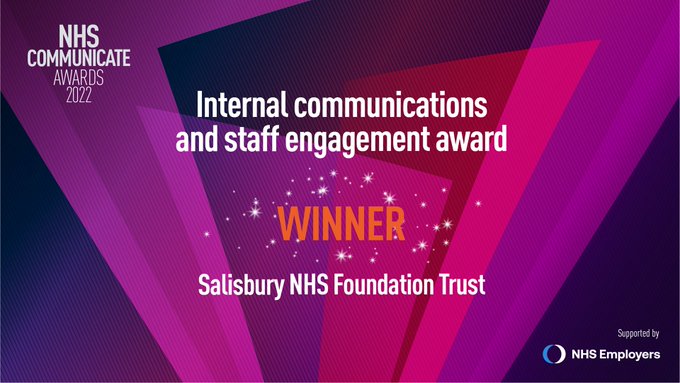
Huge congratulations to Salisbury NHS Foundation Trust for winning the Internal communications and staff engagement awards at the NHS Communicate Awards!

“Judges were ‘blown away’ by our ‘inspirational’ Reflections on Pandemic project, Huge thanks to all the staff who participated in the poetry – interviews, workshops and events”

Internal communications and staff engagement award

Security you can rely on​

Certified & compliant software you can trust.

NewZapp takes the security of your data extremely seriously. In addition to complying with NHS Digital requirements we also maintain the following standards:

  • Secure UK-based servers that are monitored 24/7
  • ISO 27001: 2017 certification
  • UK GDPR & EU GDPR compliant
  • Cyber Essentials certification
  • UK Data Protection Act compliant
  • Regular independent security audits

NHS digital transformation and internal comms

NHS digital transformation and internal comms

NHS digital transformation

Digital transformation within the NHS is an incredibly complex endeavour. When you factor in challenges related to skills and culture, it becomes evident that a robust internal communications strategy must accompany any transformation initiative.


The Role of Internal Comms During Digital Transformation

The term “digital transformation” is increasingly common, encompassing both hardware and software advancements. Regardless of the scope of such a project, whether large or small, internal communications play an essential role in ensuring its success.

NHS Digital Transformation: The Current Landscape

To appreciate the significance of effective internal communications during digital transformation, it’s important to understand why this topic is particularly pertinent today.

The NHS, like many public sector organisations, has long relied on outdated IT infrastructures, leading to various inefficiencies. Although the process of modernisation was underway before COVID-19, the pandemic accelerated digital initiatives in an unprecedented way. This rapid shift was necessary not only to meet immediate needs but also to realise long-term efficiencies.

However, digital transformation in the NHS comes with its own set of challenges. Public scrutiny, previous system failures (such as issues with the COVID-19 track and trace system), skill shortages, stringent regulations, and a general resistance to change are all significant hurdles. For these reasons, internal communications must be integrated from the very start of any digital transformation project.

A Deloitte study underscores this point: 93% of government organisations identified workforce skills as a major challenge in their digital transition. Additionally, 55% of leadership admitted to a lack of understanding of digital trends, and 96% acknowledged that organisational culture would be a significant obstacle.

Given these challenges, it is clear that internal communications must be a cornerstone of any NHS digital transformation strategy.


The Role of Internal Communications in NHS Digital Transformation Projects

As an internal communications professional, your role is not to manage the digital transformation itself but to support those who are responsible for it. You don’t need to focus on ROI, resource allocation, or project management, but you do need to ensure that everyone involved is well-supported.

Successful organisational change is fundamentally about changing behaviours. Without full buy-in from staff, the success of any digital transformation will be limited.

So, how can you make a digital transformation project as successful as possible?

Share This Post

The 6 Essential Steps to a Digital Transformation Internal Communications Strategy

1. Understand Your Audiences

Digital transformation affects many people, and different employee groups will have varied needs. It’s crucial to understand these needs from the outset. Key audiences to consider include:

  • Leadership Directing the Change:
    You may need to educate this group on the importance of internal communications while also understanding their motivations to effectively communicate these to others.

  • Those Deploying the Project:
    These individuals are crucial for project success. Your role is to keep them aligned with the broader goals and implications of the transformation.

  • Those Impacted by the Project:
    While the benefits of the transformation are the end goal, it’s important to acknowledge that the process can be unsettling. Providing reassurance and focusing on long-term advantages will help mitigate concerns.

  • Those Who Need to Be Aware of the Changes:
    This group includes colleagues indirectly affected by the project, who need to be aware of potential impacts on their work.

For each of these groups, ensure you understand the positive and negative impacts of the project. Audience personas can help tailor your communications to address specific concerns and needs effectively.

2. Consider Your Culture

Culture can significantly influence the success of a digital transformation. McKinsey research shows that 70% of transformation projects fail due to cultural issues. Common barriers include a lack of collaboration, empowerment, and knowledge sharing.

While internal communications alone cannot change organisational culture, they can help steer thoughts and behaviours in the right direction. Highlight thriving aspects of the culture and raise any concerns with leadership to address them proactively.

3. Review Past Change Management Processes

Learning from past experiences is key. Even if previous projects weren’t digital transformations, insights from other change management initiatives can be invaluable. Gather data, consult with those involved, and identify what worked, what didn’t, and what could be improved in internal communications.

4. Establish Your Methods of Communication

Decide on the channels and formats you’ll use for communication. Email is often the most effective channel, but consider complementing it with other methods like intranet posts, staff meetings, or even traditional noticeboards. Tailor the format to your audience, whether it’s written updates, videos, or visual progress reports.

Testing different approaches can help you determine what resonates most with your audience.

5. Build Your Internal Communication Change Management Strategy

With your research complete, it’s time to develop your strategy. Create a timeline mapping out the stages of the project and your communication plan, considering the needs of each audience. Colour-coding different channels and formats can help keep the plan organised and easy to follow.

6. Review Your Strategy

A successful internal communications strategy is dynamic. Timings will shift, and challenges will arise, requiring your strategy to adapt accordingly. Use data to measure the effectiveness of your communications and adjust your approach as needed. Granular insights into employee engagement can help you identify advocates or those who need additional support.

Surveys can also provide valuable feedback, especially if you lack detailed analytics. Regular assessment will ensure your communications remain effective and relevant.

Share This Post

How NewZapp Trusted Delivery Can Support Your Internal Comms Strategy

NewZapp Trusted Delivery is an email communication platform designed to securely deliver internal emails to NHS employees. With NewZapp, you can create visually appealing communications that are guaranteed to reach every inbox, without the risk of emails being marked as junk or encountering spoofing issues.

Our platform also provides detailed analytics to help you measure performance and maximise engagement. If you’re looking to enhance your digital transformation projects and internal communications, get in touch with us today to learn more.

Share This Post

Rachel Stidworthy

Marketing Manager

With over 15 years’ experience in communications I have seen first-hand the difference strong internal communications can make. I am passionate about helping organisations reap the rewards of an engaged workforce and feel privileged to work for an organisation that has this same passion. We can achieve more when we work together towards the same goals.