Empowering Young NHS Staff: Effective Internal Communication for a Diverse and Inclusive Workforce

Empowering Young NHS Staff: Effective Internal Communication for a Diverse and Inclusive Workforce

In today’s NHS environment, effective internal communication for NHS young staff is essential for fostering an inclusive culture. Over the past decade, the workplace has evolved significantly, largely due to the growing presence of Millennials and Gen Z within the NHS. These generations, known as digital natives, bring new expectations around authenticity, inclusivity, and transparency in workplace communications.

To harness these attributes, NHS organisations must adapt their communication strategies. This approach not only improves staff satisfaction but also enhances creativity and problem-solving within healthcare settings. Trusted Delivery, as the only internal communications platform fully compliant with NHS Digital Governance, enables organisations to meet these evolving needs securely and effectively.

UK Workforce by Generation - Diversity and Inclusion in NHS Staff

The Generational Shift: Millennials and Gen Z in the NHS

Millennials and Gen Z now constitute a substantial portion of the NHS workforce. Millennials, born between 1981 and 1996, are currently a dominant force in healthcare, while Gen Z, born between 1997 and 2012, is steadily increasing its presence. Together, these groups bring unique values—such as prioritising work-life balance, mental health, and social responsibility—that prompt a rethinking of traditional NHS work models. Embracing these values is crucial for creating a more inclusive and innovative healthcare environment.

However, generational differences can sometimes lead to challenges in communication and work values within NHS teams. Research shows that younger staff members prefer digital communication, focusing on personal growth and purpose over job security. These preferences can differ significantly from those of older generations, leading to potential misunderstandings. Trusted Delivery helps bridge this gap by offering a platform that resonates with the digital communication styles preferred by younger NHS employees.

Driving Innovation with Digital Natives in the NHS

The influx of Millennials and Gen Z into the NHS is driving innovation through their strong affinity for technology. To thrive in this digital age, NHS organisations must integrate digital communication tools that align with the preferences of young staff.

Technological Adoption in NHS Communication

  • Cloud-based Platforms: Younger NHS staff are familiar with cloud-based platforms like Microsoft Teams and NHSmail, which facilitate seamless communication and collaboration across the organisation. Trusted Delivery supports these tools while ensuring compliance with NHS governance standards.
  • Social Media Influence: Millennials and Gen Z expect a high level of connectivity similar to social media interactions. Trusted Delivery integrates features that make internal communications engaging and relatable, enhancing staff engagement.
  • AI and Automation: Leveraging AI and automation within communication platforms can streamline routine tasks, allowing younger NHS staff to focus on more meaningful and strategic work. Trusted Delivery’s secure, NHS-compliant environment supports the use of these technologies, ensuring that innovation doesn’t compromise data security or compliance.

Values and Work Preferences of Younger NHS Staff

Millennials and Gen Z are not only driving technological advancements but also reshaping workplace dynamics within the NHS. These generations value authenticity, transparency, and inclusivity, which influence their approach to work and communication in healthcare settings.

Work-Life Balance and Flexibility

  • Flexible Work Arrangements: Young NHS staff prioritise work-life balance, valuing flexible schedules and remote work options. Offering flexibility is key to attracting and retaining top talent within the NHS.

  • Mental Health and Well-being: These generations advocate for mental health awareness. NHS organisations that prioritise well-being by offering mental health support and fostering a positive work environment are more likely to retain young talent.

  • Purpose and Meaningful Work: Young staff seek roles that align with their values and contribute to the NHS’s mission of improving public health.

Emphasis on Diversity and Inclusion

  • Inclusive Cultures: Millennials and Gen Z value diverse and inclusive NHS environments where all perspectives are respected. Promoting diversity not only attracts talent but also enhances patient care through varied insights.

  • Representation Matters: Younger employees want to see diverse representation within NHS leadership and decision-making roles, which encourages engagement and innovation.

Communication Styles and Preferences

Generational differences can create communication challenges within NHS teams. Younger staff prefer digital communication methods, which may differ from older colleagues’ preferences. NHS organisations must bridge these gaps by fostering continuous learning and open communication to leverage the strengths of a multigenerational workforce.

  • Digital Communication Tools: Instant messaging and video conferencing platforms like Microsoft Teams are essential for efficient communication among young NHS staff, promoting collaboration across various departments.

  • Clear and Transparent Communication: Younger staff appreciate straightforward communication. NHS leaders can build trust by avoiding jargon and promoting open dialogue, empowering young employees to share their ideas and perspectives.

1 – The Messenger and Third-Party Validation

Empowering Young NHS Staff - Internal Communication for a Diverse Workforce

Importance of the Messenger

In NHS internal communication, the role of the messenger is pivotal, particularly when addressing young staff members who value transparency and authenticity. Research by Men and Bowen (2017) highlights that authentic communication from leaders is essential for fostering trust and engagement among employees. In a healthcare setting, where the stakes are high and the work is demanding, young NHS staff look to leaders who communicate with sincerity, embodying the organisation’s core values of compassion, respect, and integrity.

Younger generations often distrust corporate language and are more likely to engage with leaders who demonstrate empathy and openness. This preference for genuine communication reflects a desire for meaningful connections in the workplace, rather than interactions that feel transactional. Creating a workplace culture that prioritises honesty and open dialogue meets these expectations and helps build a more cohesive and trustworthy environment.

For NHS organisations, recognising the role of line managers and leaders as key messengers is critical. Effective internal communication should not only inform but also inspire. Investing in training for leaders to enhance their communication skills—ensuring they convey messages transparently and authentically—can significantly impact how young staff perceive and engage with the organisation. This approach not only builds stronger relationships but also fosters a positive workplace environment, encouraging loyalty and commitment among NHS staff.

2 – Diversity as a Pillar of Internal Communication

Moving Beyond Tokenism

Diversity in NHS internal communication should go beyond mere compliance; it must genuinely reflect the organisation’s core values and culture. Young NHS staff increasingly expect workplaces to prioritise diversity and inclusion, understanding the critical value of diverse perspectives in enhancing patient care and innovation. For them, diversity is not just an abstract goal but a daily experience that shapes both their work environment and personal growth.

Holvino and Ferdman (2022) caution against tokenism—where diversity efforts are superficial and fail to capture the depth and richness of varied perspectives. Tokenism can lead to a lack of true inclusion, potentially alienating the very individuals these efforts aim to support. As Nour Nashed, a Cumberland Lodge Fellow, emphasised in 2022, tokenism undermines real diversity by creating a facade rather than fostering genuine inclusivity. To counteract this, NHS organisations must embed diversity as a foundational element of their culture, ensuring it permeates every aspect of communication and practice, not just as a checkbox exercise.

Young NHS professionals are drawn to organisations that demonstrate a deep, authentic commitment to diversity and inclusion. Such organisations not only attract a broader pool of talented individuals from various backgrounds but also foster a culture of innovation and creativity. When diversity is embedded into communication strategies, it signals a dedication to inclusivity, enriching the overall employee experience. This commitment is crucial in a healthcare setting where diverse ideas and perspectives can lead to more innovative solutions and dynamic workplace environments, ultimately benefiting patient outcomes.

Cultural Representation

For young NHS staff, diversity extends far beyond ethnicity and gender; it represents an inclusive environment where various voices are heard, respected, and valued. They seek workplaces that reflect the diversity of their daily lives, where cultural representation is not just acknowledged but celebrated. This involves incorporating diverse stories, showcasing cultural events, and promoting initiatives that highlight and celebrate the rich diversity within the NHS. Such efforts validate employees’ experiences, fostering a sense of belonging and engagement that strengthens their connection to the organisation.

Ferdman and Deane (2014) argue that sharing diverse stories and ideas within an organisation helps employees feel included and valued. This sense of belonging can significantly enhance performance and creativity, leading to a more productive and harmonious workplace. When NHS staff see their identities and experiences reflected in the workplace culture, they are more likely to feel engaged and motivated, which directly impacts their effectiveness in delivering care.

To achieve genuine cultural representation, NHS organisations must actively seek to showcase diverse voices in their internal communications. This could involve creating platforms for employees to share their stories, recognising cultural achievements, and ensuring that all communication materials reflect a wide range of backgrounds and perspectives. Embracing this approach not only builds a more inclusive workplace but also paves the way for a future where the NHS fully values and utilises the strengths of its diverse workforce.

Share This Post

Creating a Culture of Continuous Learning in the NHS

Encouraging Lifelong Learning

Young NHS staff excel in environments that promote continuous learning and professional development. To meet this need, NHS organisations should invest in comprehensive learning and development programmes that empower young employees to enhance their skills and expand their knowledge.

Learning and Development Programmes

  • Skill Enhancement: Offering targeted training programmes and workshops that focus on enhancing specific skills aligns with the desires of Millennials and Gen Z for continuous growth. These initiatives not only improve individual competencies but also contribute to better patient care and operational efficiency within the NHS.

  • Career Advancement Opportunities: Providing clear pathways for career progression within the NHS helps young staff envision a long-term future in the organisation. Career development plans, coupled with regular feedback and goal-setting, can significantly boost engagement and loyalty among younger employees. Such opportunities make it clear that the NHS values their contributions and is invested in their professional growth.

  • Mentorship and Coaching: Implementing structured mentorship and coaching programmes is crucial for fostering a collaborative learning environment within the NHS. Young employees benefit from the guidance of experienced colleagues, gaining insights that help them navigate their careers and develop leadership skills. These relationships are key to building a supportive workplace where knowledge is shared, and professional development is encouraged.

Building an Inclusive NHS Workplace Culture

Creating an inclusive culture is essential for attracting and retaining young talent within the NHS. Organisations must prioritise initiatives that promote diversity, equity, and inclusion, ensuring that all employees feel welcome and valued.

Inclusive Practices

  • Celebrating Cultural Events: Highlighting and celebrating cultural events and holidays within the NHS not only acknowledges the diverse backgrounds of employees but also fosters a sense of belonging. Recognising these events in internal communications and through organisational activities helps to create a more inclusive environment.

  • Employee Resource Groups (ERGs): Encouraging the formation of ERGs allows young NHS staff to connect with peers who share similar interests and experiences. These groups provide support networks and can influence policy changes, contributing to a more inclusive workplace culture that reflects the diversity of the NHS workforce.

  • Inclusive Leadership: Training NHS leaders to be inclusive and empathetic is vital to embedding diversity and inclusion into the organisational culture. Leaders who understand and champion inclusivity can make more informed decisions that reflect the needs and values of a diverse workforce. This approach ensures that inclusivity is not just a policy but a lived practice within the NHS.

Conclusion

In the rapidly evolving landscape of the NHS, effective internal communication for younger staff hinges on authenticity, inclusivity, and transparency. With Millennials and Gen Z making up a significant portion of the NHS workforce, it is imperative for organisations to adapt by prioritising credible communication and fostering a culture of continuous learning. Leaders who communicate with empathy and authenticity, supported by a genuine commitment to diversity, can build stronger relationships and create a more cohesive and inclusive work environment. This, in turn, drives innovation, enhances employee satisfaction, and strengthens the overall effectiveness of the NHS, ensuring it remains responsive to the needs of a diverse and multigenerational workforce.

By prioritising these aspects in their communication and cultural strategies, NHS organisations can remain relevant and successful, retaining top talent and continuously improving service delivery.

FAQs

Why is internal communication important for young NHS staff?

Internal communication is vital for young NHS staff as it fosters engagement, transparency, and a sense of belonging. Effective communication ensures that young employees understand the NHS’s values and goals, contributing to a motivated and connected workforce focused on delivering quality care.

How can NHS organisations create inclusive cultures for young employees?

NHS organisations can create inclusive cultures by prioritising diversity and inclusion initiatives, promoting open communication, and offering opportunities for continuous professional growth. Celebrating diverse voices and backgrounds enhances the overall employee experience, leading to a more engaged and innovative workforce.

What role does technology play in internal communication for young NHS staff?

Technology is crucial in NHS internal communication, offering platforms for seamless collaboration, instant messaging, and video conferencing. These digital tools align with the preferences of Millennials and Gen Z, facilitating efficient and engaging communication while ensuring compliance with NHS governance.

How can third-party validation enhance internal communication within the NHS?

Third-party validation strengthens NHS internal communication by adding credibility to organisational messages. Young NHS staff trust messages backed by external sources, such as peer feedback and industry endorsements, which enhances their authenticity and impact.

What are the benefits of authentic job titles and descriptions in the NHS?

Authentic job titles and descriptions in the NHS attract the right candidates and reduce turnover by clearly outlining responsibilities and growth opportunities. This approach resonates with young employees’ desires for meaningful work and clear career advancement within the NHS.

Why is cultural representation important in the NHS workplace?

Cultural representation ensures that diverse voices and experiences are valued and celebrated within the NHS. This fosters a sense of belonging and engagement among young employees, enhancing their performance, creativity, and overall contribution to patient care.

Adam Baldock-Apps

Adam Baldock-Apps

Growth Marketing Manager

Passionate Marketing and Growth leader. Driving Digital Innovation and Brand Growth, expert in Tech and SaaS Marketing.

More To Explore

Using Video in NHS Internal Communications
Internal Comms

Leveraging Video in NHS Internal Communications

Leveraging video in NHS internal communications enhances engagement, especially post-COVID. Discover key strategies, from practice to equipment essentials, to create authentic, high-quality video content.

Case Study

Salisbury NHS Foundation Trust

Salisbury NHS Foundation Trust overcame strict NHS security policies to implement a successful internal communication strategy, using NewZapp Trusted Delivery to improve email deliverability, engagement, and security compliance.

Strengthening Internal Communications in NHS Trade Union Relations

Strengthening Internal Communications in NHS Trade Union Relations

NHS internal communication with trade unions: The relationship between NHS internal communicators and trade unions is pivotal in managing industrial relations within healthcare settings. As the NHS faces increasing pressures, the role of internal communicators in ensuring that staff voices are heard and conflicts are resolved constructively is more critical than ever. This article explores how NHS communicators can effectively collaborate with trade unions to foster a positive working environment and improve industrial relations.

nhsmail delivery spoofing

Navigating NHS-Specific Challenges

In the NHS, internal communicators act as intermediaries between management and staff, promoting dialogue and ensuring transparency. This role is particularly complex in unionized environments, where the legal and independent nature of trade unions can challenge communication strategies. However, this also offers opportunities for collaboration, particularly in addressing the unique challenges of the healthcare sector, such as the societal contact,  the moral morale of all stakeholders, patient safety, and politically volatile resource constraints.

NHS communicators recognise the vital role of trade unions in amplifying employee voices—a crucial factor in maintaining staff engagement and morale. NHS internal communication with trade unions proactively engages with addressing concerns before they escalate into disputes, communicators can contribute to a more engaged and contented workforce, which is essential for delivering high-quality patient care.

Aligning NewZapp Trusted Delivery with NHS Challenges

NewZapp Trusted Delivery stands out as the only email communication platform fully compatible with NHS Digital Governance and Information Security Management policies. This alignment is crucial for internal communicators in the NHS, where the security and reliability of communication channels are paramount. NewZapp ensures that all communications reach their intended audience without the risk of spoofing or data breaches, making it an invaluable tool in the sensitive environment of NHS industrial relations. By facilitating transparent and secure communication, NewZapp supports the NHS in building trust between management, staff, and trade unions, thereby reducing the potential for misunderstandings and industrial action.

Strategies for Enhanced Collaboration

To improve NHS internal communication with trade unions, internal communicators can employ several key strategies:

1. Proactive Engagement: Engage with trade unions early and maintain open, continuous communication. Involve union representatives in discussions about policy changes and workforce issues to address concerns promptly.

2. Transparency and Trust: Advocate for the sharing of relevant information with trade unions, especially during periods of change or uncertainty. This openness is crucial for building trust and preventing potential disputes.

3. Specialised Training: Provide NHS-specific training for communicators on industrial relations. Understanding the legal frameworks and historical context of trade unions within the NHS will enhance the effectiveness of communication strategies.

4. Collaborative Initiatives: Encourage joint initiatives between internal communicators and trade unions, such as co-developing employee engagement surveys or jointly addressing workplace safety concerns, to foster a collaborative culture.

Future Directions

As the NHS continues to evolve, the role of internal communicators will become increasingly important in managing industrial relations. The growing unionization within the healthcare sector presents both challenges and opportunities. By embracing collaboration and focusing on transparency and engagement, internal communicators can play a key role in shaping the future of NHS workplace relations.

For further insights, NHS professionals can refer to resources such as the “Engaging for Success” report and publications , which provide valuable guidance on enhancing communication and fostering positive relationships in unionized environments.

FAQs: Effective NHS Trade Union Communication with NewZapp Trusted Delivery

Empowering Young NHS Staff - Internal Communication for a Diverse Workforce

1. Why is internal communication important in NHS trade union relations?
Effective internal communication is crucial in NHS trade union relations as it ensures that employee concerns are addressed promptly, helps prevent industrial disputes, and fosters a more engaged and satisfied workforce. This is vital in maintaining high levels of patient care and staff morale.

2. How can NHS internal communicators improve relations with trade unions?
NHS internal communicators can improve relations by engaging with trade unions early, maintaining continuous dialogue, being transparent in communications, and involving union representatives in discussions about workplace changes. These strategies help build trust and prevent misunderstandings.

3. What role does NewZapp Trusted Delivery play in NHS communication?
NewZapp Trusted Delivery is the only email communication platform fully compatible with NHS Digital Governance and Information Security Management policies. It ensures secure and reliable communication, reducing the risk of data breaches and supporting transparency between NHS management, staff, and trade unions.

4. How does secure communication impact NHS industrial relations?
Secure communication ensures that sensitive information is shared safely, building trust between NHS staff, management, and trade unions. This transparency reduces the likelihood of misunderstandings that could lead to industrial action.

5. What are some challenges in NHS trade union communications?
Challenges include navigating the complex legal frameworks, addressing workforce concerns, maintaining morale under pressure, and ensuring patient safety. These require communicators to be proactive, transparent, and collaborative with trade unions.

6. How can NHS communicators be trained to handle trade union relations better?
Providing training on industrial relations specific to the NHS, including legal frameworks and the historical context of trade unions, can help communicators develop the empathy and skills needed to manage these relationships effectively.

7. What are the future trends in NHS trade union communication?
As NHS workplaces become more unionized, the role of internal communicators will continue to grow in importance. Embracing collaboration, transparency, and employee engagement will be key to successfully managing industrial relations in the future.

Share This Post

Adam Baldock-Apps

Adam Baldock-Apps

Growth Marketing Manager

Passionate Marketing and Growth leader. Driving Digital Innovation and Brand Growth, expert in Tech and SaaS Marketing.

NHS Internal Communications Email Analytics 2024

NHS Internal Communications Email Analytics 2024

NHS internal email benchmarks: For NHS internal communication teams, finding the right channel to share and engage with employees, volunteers, senior managers, and other stakeholders can be challenging. With an increasing number of tools competing for attention, each claiming to be the ultimate engagement solution, it’s easy to feel overwhelmed.

However, an effective internal communication strategy requires more than just one tool. It involves a multi-channel approach that addresses different communication scenarios and audience behaviours. This is especially true for the NHS, a highly complex organisation with diverse needs, relationships, and demands. Whether managing rapid changes or navigating ongoing pressures, the NHS system tends to fall into inertia, and it is the role of communication teams to overcome this by creating clarity and fostering engagement.

In the report below, we delve into the power of internal email communication within the NHS, drawing on data from millions of emails sent through 14,000 email campaigns with Trusted Delivery to provide the most accurate NHS internal email benchmark. By leveraging these insights, internal communicators can enhance their strategies, making the most of email’s speed, reliability, and cost-effectiveness.

Read the full report below:

Why Email Remains the Channel of Choice for NHS Teams

While the rise of new communication tools has diversified internal communication channels, email remains the preferred medium for NHS teams. Its benefits are clear:

  • Speed: Email allows quick dissemination of critical information across large, dispersed teams.
  • Measurability: Email platforms like NewZapp Trusted Delivery provide robust analytics that offer insights into open rates, click-throughs, and engagement levels.
  • Reliability: Emails are trusted to deliver essential updates consistently.
  • Affordability: Email is a low-cost option, making it ideal for NHS organisations with limited budgets.

When communicating key updates or urgent messages across multiple teams, email enables targeted, timely communication. It’s particularly valuable for reaching deskless workers or employees who aren’t constantly connected to other platforms, such as the intranet.

For further reading on the continued importance of email in internal communications, see Forbes’ article on the role of email in employee engagement. 

The Link Between Staff Engagement and Organisational Success

Research shows that engaged NHS staff directly impact patient outcomes. A 2015 study by The King’s Fund found that organisations with engaged employees saw:

  • Better patient experience
  • Fewer errors and lower infection rates
  • Stronger financial performance
  • Higher staff morale and lower absenteeism

Engagement isn’t just about morale—it’s about creating a positive working environment that translates into tangible results, both for staff and patients. With email being a key tool for engagement, measuring the effectiveness of internal communications can make a significant difference.

For more details on the impact of staff engagement, explore The King’s Fund research on leadership and engagement for improved NHS outcomes.

Using Data to Drive Internal Communication Success

The most critical takeaway from this report is the importance of data in shaping internal communication strategies. Without data, you’re working blind, unable to identify areas for improvement or measure how effectively your messages are being received. Data allows you to:

  • Track engagement: Understand how many employees open your emails and interact with the content.
  • Refine your messaging: Use insights to tweak subject lines, calls to action, and content to increase engagement.
  • Identify trends: Monitor the time of day or day of the week when your emails get the best responses.

One of the key strengths of using a platform like Trusted Delivery is the access to in-depth email analytics. By benchmarking your performance against the data provided in this report, you can improve your strategy and ensure that your internal communications resonate with your audience.

The Challenges of NHS Internal Communication

Let’s not sugar-coat it: as an NHS internal communicator, you face unique challenges. You are tasked with engaging large, diverse audiences—including overworked staff—on limited budgets, all while competing for their attention amidst countless other priorities. These audiences may include frontline healthcare workers, administrative staff, volunteers, and senior leaders, each with varying needs and communication preferences.

But you’re in this role because you want to make a difference. Through effective internal communication, you can support staff morale, improve team cohesion, and ultimately contribute to better patient care. By adopting a data-driven approach and focusing on continuous improvement, you can transform your internal communications from functional to impactful.

Conclusion

In the fast-paced and resource-constrained environment of the NHS, data is your greatest ally. By measuring the success of your internal communications, you can identify areas for improvement, tailor your messages more effectively, and engage staff in a meaningful way.

If you take one thing from this report, make it this

Guaranteed Email Delivery

NewZapp is the first and only Email Service Provider who can deliver mass email to NHS.net inboxes.

Guaranteed delivery. Vital NHS staff bulletin emails will arrive safely and securely in recipient inboxes.

Request a callback

Are you struggling to get your internal communications emails delivered ? Fill in the form below and one of our team will be in touch A.S.A.P 

When Your Vendor Is the Vulnerability

Sustainability in the NHS goes beyond compliance; it’s a core value that influences every level of healthcare. By fostering environmental responsibility, the NHS not only enhances public trust but also strengthens community well-being.

Read More »

NHS Communications as a Cultural Force in Times of Change

In April 2025, a letter from NHS England reignited a familiar debate—are communications functions in the NHS a strategic asset or a disposable overhead? As calls for transformation intensify, this article argues that communications is not a luxury but a cultural infrastructure. From navigating reform to shaping trust and behaviour, NHS comms teams are critical enablers of change. Drawing on new research, major system reviews, and expert commentary, we make the case for protecting and elevating this essential function—before the system learns the hard way what happens when it’s missing.

Read More »

Exploring Practical Use Cases for Generative AI in the NHS: Enhancing Workplace Dynamics with Trusted Delivery

Exploring Practical Use Cases for Generative AI in the NHS: Enhancing Workplace Dynamics with Trusted Delivery

Generative AI is rapidly transforming various industries, including healthcare, offering unique opportunities to enhance productivity, foster inclusivity, and create more cohesive working environments. Within the NHS, the potential of AI is particularly compelling, as it aligns with ongoing efforts to improve patient outcomes, streamline operations, and ensure equitable care. This article explores how generative AI can practically enhance internal communications and organisational culture within NHS settings.

NHS digital transformation

Generative AI in the NHS: Beyond Automation

In the context of the NHS, generative AI is more than just a tool for automating repetitive tasks; it is a catalyst for reimagining and optimising healthcare processes. AI’s ability to generate content—whether it be text, images, or even video—can significantly reduce the administrative burden on NHS staff, allowing them to focus on critical, patient-facing activities. For example, AI can streamline routine communication tasks, enabling NHS internal communicators to shift their focus from content creation to more strategic roles, such as managing communication systems that ensure information is accurately disseminated and effectively understood across diverse teams.

Ethical AI: Balancing Innovation with Responsibility

As the NHS continues to integrate generative AI into its operations, ethical considerations must remain paramount. The AI systems deployed must be aligned with NHS Digital Governance and Information Security Management policies to ensure patient data is handled with the highest level of care. Ethical AI within the NHS means ensuring that AI systems are trained on data that reflects the diverse population the NHS serves. For instance, while AI can improve patient communications by segmenting populations based on demographic factors, it must be carefully managed to avoid reinforcing biases or exacerbating health inequalities.

Fostering Inclusivity Through AI

Generative AI holds significant potential to advance inclusivity within NHS workplaces. By analysing vast amounts of data, AI can uncover patterns of exclusion or bias that may not be apparent to human managers. For example, AI can help identify disparities in career progression or access to training among different demographic groups within NHS organisations. Recognising and addressing these disparities is crucial to ensuring that all NHS staff have equal opportunities for development and progression.

However, the deployment of AI for inclusivity must be approached with caution. The success of these initiatives depends on the diversity and representativeness of the data used to train AI systems. Moreover, transparency in AI decision-making processes is essential to building trust among NHS staff. It is vital that employees understand how AI systems influence decisions that impact their careers, reinforcing a culture of fairness and openness.

Productivity Gains and the Human Element

Generative AI can significantly enhance productivity in the NHS by automating administrative tasks such as scheduling, data entry, and aspects of decision-making. For instance, AI can assist in automating the documentation process, allowing clinical staff to dedicate more time to patient care rather than paperwork. In internal communications, AI can streamline the dissemination of information, ensuring that vital updates reach the right people at the right time, thereby reducing the risk of communication breakdowns in high-pressure environments.

Nevertheless, it is crucial that the increased reliance on AI does not undermine the human element that is central to the NHS’s values. While AI can manage many routine tasks, the empathy, critical thinking, and professional judgement of NHS staff are irreplaceable. The most effective AI implementations are those that augment human capabilities. For instance, while an AI tool might draft communications or reports, it still requires the insight of experienced NHS staff to ensure the content resonates with its intended audience and aligns with the NHS’s mission and values.

Creating a Harmonious Work Environment

A harmonious NHS workplace is one where staff feel valued, respected, and motivated to deliver the best possible care. Generative AI can support this goal by enabling more personalised and timely internal communications. AI-driven platforms like Trusted Delivery can tailor messages to individual staff members based on their roles, interests, and previous interactions, ensuring that everyone receives the information they need in a manner that is most relevant to them. This approach not only improves communication efficiency but also contributes to a more engaged and informed workforce.

Moreover, AI can play a role in managing workplace dynamics by identifying early signs of stress or conflict within teams. By analysing communication patterns, AI systems can flag potential issues to HR departments, allowing them to intervene before problems escalate, thereby fostering a more collaborative and supportive work environment.

Challenges and Risks: Navigating the Double-Edged Sword

While the benefits of AI in enhancing NHS operations are significant, the technology also presents challenges. Data privacy is a pressing concern, especially given the sensitive nature of patient information. The NHS must implement robust data protection measures in line with legal and ethical standards to safeguard against data breaches or misuse. Additionally, over-reliance on AI can lead to risks, as AI systems are not infallible and can perpetuate biases if not carefully monitored. Therefore, maintaining a human-in-the-loop approach, where AI-generated insights are always reviewed and validated by healthcare professionals, is critical to ensuring patient safety and care quality.

Conclusion: The Path Forward with Trusted Delivery

As generative AI continues to evolve, its role in shaping the NHS workplace will only grow. For internal communicators and HR professionals within the NHS, the challenge lies in harnessing this technology in ways that enhance, rather than diminish, the human aspects of healthcare work. By focusing on ethical AI practices, fostering inclusivity, and boosting productivity while maintaining the human touch, NHS organisations can leverage AI to achieve their strategic goals.

Trusted Delivery, as the only NHS internal communications email platform fully compatible with NHS Digital Governance and Information Security Management policies, is uniquely positioned to support these efforts. By ensuring secure, efficient, and personalised communication, Trusted Delivery helps NHS organisations navigate the complexities of AI integration while staying true to the core values of care, inclusivity, and excellence.

FAQs: Generative AI in the NHS Workplace

1. What is generative AI, and how is it relevant to the NHS?

Generative AI refers to artificial intelligence that can generate content, such as text, images, and videos, based on input data. In the NHS, generative AI is relevant because it can automate routine tasks, streamline communication, and enhance the overall efficiency of healthcare operations, allowing staff to focus more on patient care.

2. How can generative AI improve internal communications within the NHS?

Generative AI can personalise and automate internal communications, ensuring that staff receive timely and relevant information. Platforms like Trusted Delivery use AI to tailor messages based on roles, interests, and previous interactions, making communication more effective and reducing the administrative burden on NHS staff.

3. What ethical considerations are there when using AI in the NHS?

The primary ethical considerations include data privacy, avoiding bias, and ensuring transparency in AI decision-making processes. AI systems must be designed to protect patient data and ensure that any decisions made by AI tools are fair, unbiased, and understandable to all NHS employees.

4. How does AI contribute to fostering inclusivity in the NHS workplace?

AI can analyse data to identify patterns of exclusion or bias that may not be visible to human managers. By recognising these patterns, NHS organisations can take proactive steps to ensure equal opportunities for all staff, thereby fostering a more inclusive work environment.

5. What are the risks of over-reliance on AI in the NHS?

Over-reliance on AI can lead to risks such as perpetuating biases present in training data, making errors that might go unnoticed, and diminishing the human touch essential in healthcare. It’s crucial to maintain a human-in-the-loop approach, where AI-generated insights are reviewed by healthcare professionals to ensure accuracy and relevance.

6. How can AI help create a harmonious work environment in the NHS?

AI can help identify early signs of conflict or stress within teams by analysing communication patterns. This allows HR departments to intervene early, preventing issues from escalating and fostering a more collaborative and supportive work environment.

7. What role does Trusted Delivery play in supporting AI-driven communication in the NHS?

Trusted Delivery is the only NHS internal communications email platform fully compliant with NHS Digital Governance and Information Security Management policies. It supports AI-driven communication by ensuring secure, efficient, and personalised messaging, helping NHS organisations implement AI responsibly and effectively.

8. What are the potential productivity gains from using generative AI in the NHS?

Generative AI can automate various administrative tasks, such as scheduling, data entry, and document generation, freeing up time for NHS staff to focus on patient care and other critical activities. This can lead to significant productivity gains and more efficient use of resources.

9. How does generative AI align with the NHS’s mission and values?

Generative AI aligns with the NHS’s mission by enhancing the efficiency of healthcare delivery while maintaining a focus on inclusivity, ethical practices, and patient-centred care. It supports the NHS’s values by enabling staff to work more effectively and equitably, ensuring that technology enhances, rather than detracts from, the human aspects of healthcare.

10. Where can I learn more about the use of AI in the NHS?

To learn more about AI in the NHS, you can explore resources provided by the NHS AI Lab, the Institute of Internal Communication, and the Systems Innovation Network, which offer insights into the strategic implementation of AI in healthcare and internal communications.

Adam Baldock-Apps

Adam Baldock-Apps

Growth Marketing Manager

Passionate Marketing and Growth leader. Driving Digital Innovation and Brand Growth, expert in Tech and SaaS Marketing.

More To Explore

NHS digital transformation
Internal Comms

NHS digital transformation and internal comms

Explore the critical role of internal communications in NHS digital transformation projects. Learn how to navigate cultural and skills challenges to ensure successful outcomes.

The vital role of managers in NHS communications

The vital role of managers in NHS communications

manager-shouting-new

Managers are at the heart of every NHS organisation, responsible not only for overseeing teams but also for effectively communicating key messages. However, are we, as internal communicators, fully supporting them in this crucial role? More than just message deliverers, NHS managers are a vital communication channel. This blog explores how internal communicators can better utilise managers and improve internal communication strategies across the NHS.

Share This Post

Are NHS Managers Recognised as a Communication Channel?

In a survey of over 700 internal communicators, we asked whether their strategy specifically recognises managers as a standalone communication channel. The results were revealing: just under two-thirds said they do. While this number was higher than expected, many comments highlighted the persistent challenges faced by NHS managers in their communication role.

managers as a channel

Here’s a snapshot of what communicators had to say:

“In 20+ years of working in this space, I’ve rarely seen an organisation that understands and supports the importance of manager communication skills.”

“Many organisations assume but never set a stated expectation for managers to cascade communications.”

These insights reflect a common issue: while many organisations recognise the importance of manager-led communication, they often fail to provide the necessary support to make it effective.

NHS managers as channels

Why NHS Managers Should Be Viewed as a Communication Channel

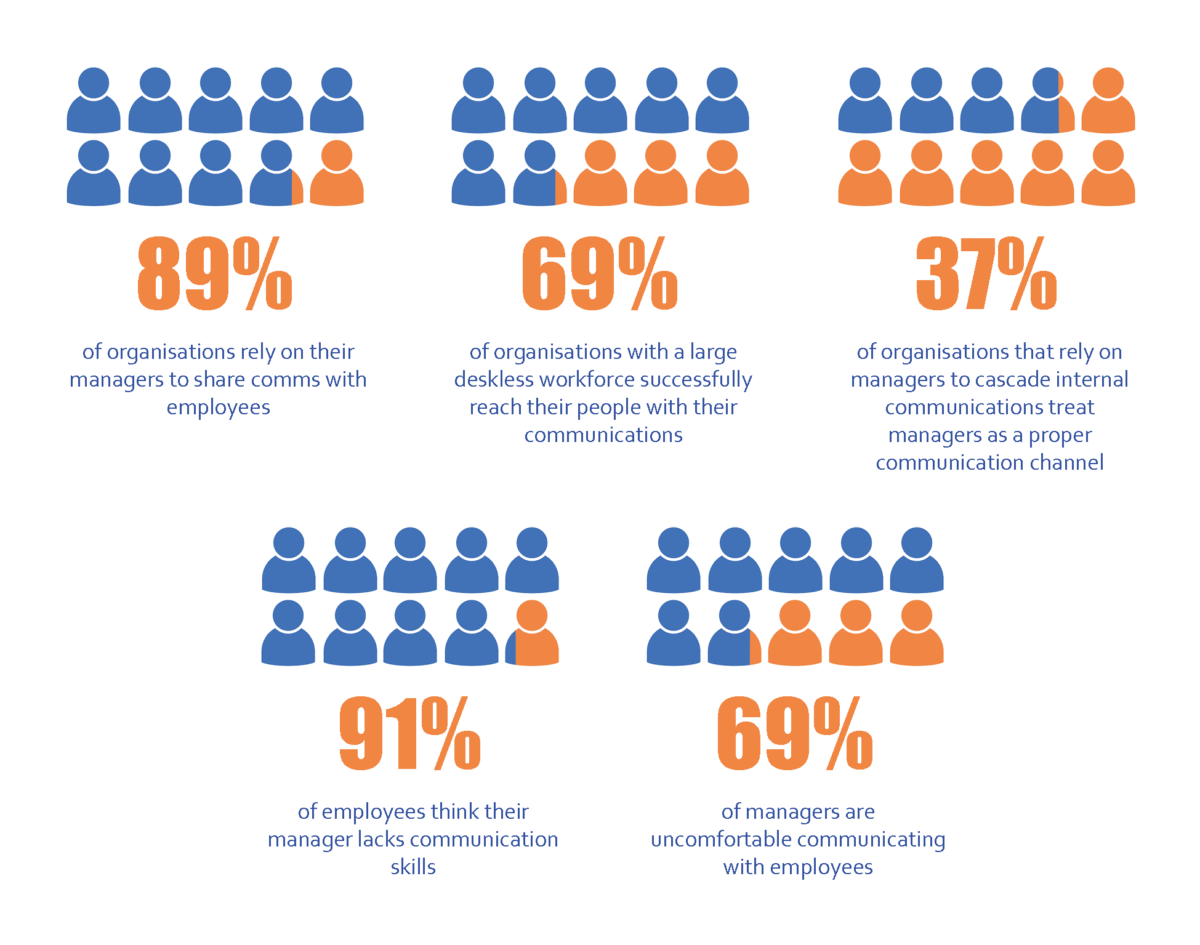
A third of survey respondents do not yet consider managers a formal communication channel in their strategies. To emphasise why this focus is critical, consider these key statistics:

  • 89% of organisations rely on managers to share communications with employees.
  • For organisations with large deskless workforces (at least 50%), only 69% successfully reach their employees.
  • 37% of organisations that rely on managers to cascade messages do not treat them as a proper communication channel.
  • 91% of employees believe their managers lack communication skills.
  • 69% of managers feel uncomfortable communicating with employees.

These figures underscore the crucial role managers play in delivering internal messages, particularly in large, complex organisations like the NHS, where many staff may not have direct access to digital communication platforms.

For more insights into the importance of managerial communication, see Gallup’s report on leadership communication.

Share This Post

10 Ways to Utilise NHS Managers in Internal Communications

To better leverage managers in internal communications, we need to address their communication challenges. Here are 10 steps to help support NHS managers and make them effective communication channels.

1. Recognise Managers as a Communication Channel

The first and most important step is to formally recognise NHS managers as a dedicated communication channel in your internal communications strategy. This means assigning specific tactics that cater to managers’ unique position between leadership and staff.

2. Understand Managers’ Working Patterns

Examine the working lives of your NHS managers. What are their schedules like? When are they most likely to share messages with their teams? Tailoring communication methods to their daily routines will ensure your messages are delivered more effectively.

For advice on optimising workplace communication, explore CIPD’s resources on employee engagement:
URL.

3. Determine What and How Managers Will Communicate

Clarify what information NHS managers need to convey and how frequently. Also, consider their preferences for receiving communications. Do they prefer email, face-to-face briefings, or written summaries? By optimising the flow of information to managers, you can improve the efficiency of message delivery to staff.

4. Help Managers Understand Their Audience

Managers often know their teams’ work habits but may not fully understand their communication preferences or how internal messages impact them. Providing managers with audience insights, such as employee personas, will help them deliver messages that resonate with their staff.

5. Ensure Managers Understand Their Role

Managers need to understand more than just the content of a communication—they need to buy into its purpose. Explain the broader goals of the message, how their team fits into these goals, and why their communication role is essential to achieving success.

6. Provide the Right Tools for Communication

Consider what tools or systems NHS managers need to share messages effectively. Whether it’s collaborative email tools, an employee engagement app, a SharePoint drive, or messaging platforms, ensure they have access to the resources required to streamline communication.

7. Develop a Manager Communication Plan

Using all the insights gathered, create a structured communication plan. Outline what needs to be communicated, how frequently, and through which channels. Ensure feedback mechanisms are in place to monitor the success of your strategy.

8. Listen to Managers’ Feedback

Managers are on the front line and have valuable insights into how staff are responding to communications. Regularly seek feedback from managers, whether through brief conversations or more formal sessions. Understanding their perspective will help refine your communication strategy and boost staff engagement.

9. Share Feedback with Managers

Internal communication is a two-way process. After gathering feedback, share the insights and engagement data with managers. This will show them the impact of their communication efforts and help maintain their investment in the process.

10. Be Approachable and Supportive

Internal communicators should be approachable and provide ongoing support for managers. Let them know that they can come to you for guidance or to discuss challenges they’re facing when delivering internal messages. The more you support them, the more effective your manager-led communications will become.

Supporting NHS Managers as internal communications channels: Practical Tips

With your strategy in place, here are a few additional ways to ensure your NHS managers feel supported as communicators:

1. Provide a Communication 101 Guide

Create a simple guide that outlines the internal communication process in your NHS Trust. This guide can include best practices, what to do when they don’t have the answers, and how to engage authentically with their teams.

For more tips on effective communication, explore Mind Tools’ communication skills guide:
URL.

2. Simplify the Communication Process

Make it easy for managers to communicate your messages by providing toolkits for each internal communication. These should include templates, collateral, and a list of FAQs. The simpler the process, the more likely managers will deliver messages on time.

3. Don’t Be Overly Prescriptive

Provide managers with the key points you need them to cover, but don’t dictate every word. Allow them to communicate in their own style, which will make the messages more authentic and engaging for their teams.

4. Give Managers Plenty of Notice

When possible, share internal communications with managers in advance. This gives them time to digest the information, ensuring they’re confident in delivering it to their teams.

5. Understand Their Challenges

Take time to understand the challenges NHS managers face when communicating with staff. Whether it’s a lack of confidence or language barriers, knowing their challenges allows you to provide targeted support.

6. Collaborate with Other Teams

Internal communications don’t operate in a vacuum. Work with employee onboarding teams, training departments, and senior leadership to embed the importance of communication in the manager’s role. By working together, you can create a collaborative approach that strengthens the entire organisation.

Conclusion

NHS managers are a critical communication channel, and supporting them effectively is essential to the success of any internal communications strategy. By recognising their role, providing the right tools, and fostering ongoing collaboration, you can significantly improve the quality and impact of your internal messages.

darren hepburn

Darren Hepburn

Operations Director

Passionate about using my 30 yearsof owning my own businesses to help create better workplace environments.  A Bon Jovi loving TikTok junkie. I spend most of my time thinking about the impact technology is having on our society. And my pug Winston…

The problem with Outlook when sending internal communications

The problem with Outlook when sending internal communications

Microsoft Outlook is a popular email platform for day-to-day communication, but when it comes to managing NHS internal communications, it has significant limitations. Sending mass internal emails efficiently and effectively requires tools designed for the job. Here are the four key reasons why Outlook struggles with NHS internal comms, and how platforms like NewZapp Trusted Delivery can offer a better solution.

Share This Post

Why Outlook Isn’t Cut Out for NHS Internal Communications

1. Outlook Slows Down Mass Email Sending

Outlook was built for individual emails, not mass communication. As a result, it enforces a send limit of 30 emails per minute. If you need to send an urgent message to 7,500 NHS staff, it will take more than four hours for everyone to receive the email. That delay could result in serious problems:

  • Staff receiving important or time-sensitive information late.
  • Rumours spreading before official communications reach the entire team.
  • Inefficient workflows, particularly during critical events or emergencies.

By contrast, NewZapp Trusted Delivery ensures that your emails are sent quickly and simultaneously to all recipients, reducing the risk of delays.

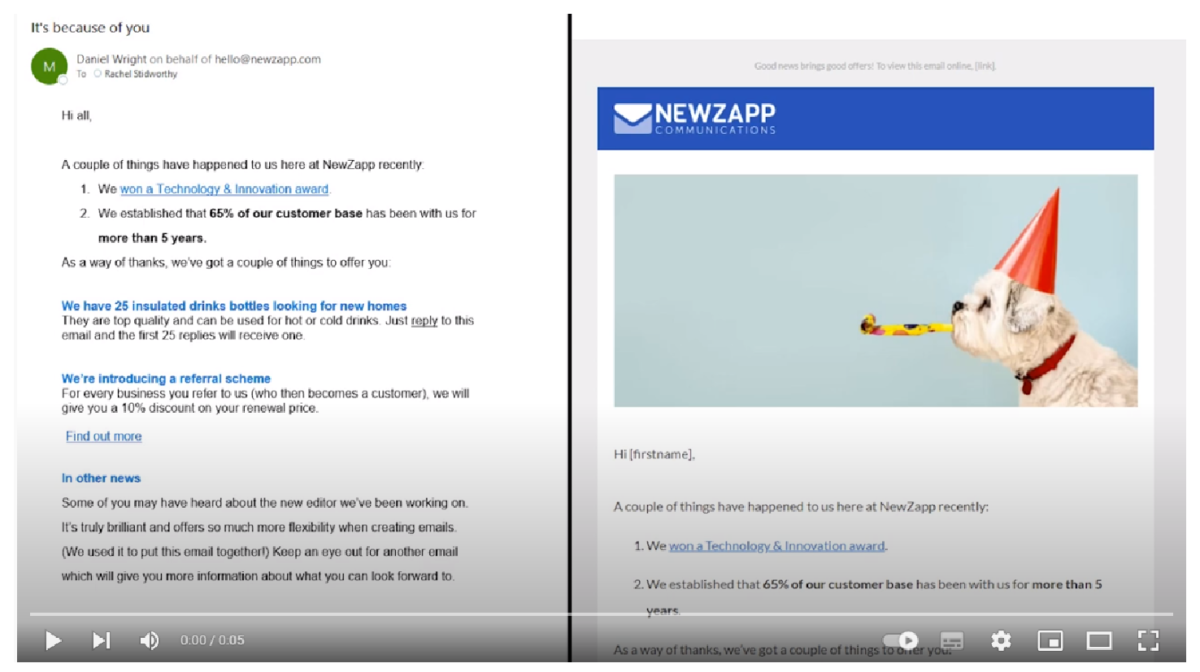
The same email – one designed in Outlook, the other designed in NewZapp Trusted Delivery

2. Outlook Emails Look Like Every Other Email

NHS staff receive an overwhelming number of emails each day—126 on average, according to recent studies. When your internal communications are sent via Outlook, they get lost in the inbox, indistinguishable from other work-related or personal emails.

NewZapp Trusted Delivery allows you to create visually engaging, branded emails that stand out in the inbox. With customisable templates, you can ensure consistency and make your internal communications instantly recognisable. Branded emails not only catch attention but also help reinforce the importance of the message being conveyed.

3. Outlook Struggles with Segmentation and Personalisation

Not every message you send will be relevant to all NHS staff. However, Outlook’s lack of built-in segmentation makes it difficult to target specific groups effectively. You’re left with two unsatisfactory options:

  • Send the message to everyone and risk disengagement from staff who don’t need the information.
  • Manually segment staff, a time-consuming process prone to error.

NewZapp Trusted Delivery, however, allows automatic staff segmentation. The system integrates with your NHS personnel data, ensuring that the right message reaches the right group. Whether you’re targeting specific departments, roles, or locations, you can do it effortlessly. You can also personalise emails beyond just adding a recipient’s name, offering a tailored experience that increases engagement.

4. Outlook Lacks Insight and Tracking

Once you send an internal email through Outlook, you’re left in the dark. Outlook provides no information about:

  • How many people opened the email.
  • Whether links were clicked.
  • The best times for engagement.
  • Which sections of the email were most read.

Without this data, improving your internal communications becomes nearly impossible. You can’t identify what resonates with staff or refine your messages for better results.

In contrast, NewZapp Trusted Delivery offers comprehensive analytics that give you visibility into email performance. For the first time, you can track how staff interact with your communications, allowing you to optimise future messages based on data. As Becky Parry from Royal Devon University Healthcare NHS Foundation Trust explains:

“Now we communicate with our employees with so much more confidence… For the first time we’re able to see how staff interact with our comms… To say we’re happy is an understatement.”

The Alternative: NewZapp Trusted Delivery

NewZapp Trusted Delivery is designed specifically for NHS organisations, offering a solution that addresses the key shortcomings of Outlook. It enables you to:

  • Send emails quickly to all staff without delays.
  • Create branded, engaging messages that stand out.
  • Segment your audience automatically, ensuring that each email is relevant to its recipients.
  • Track performance with detailed analytics, allowing you to continuously improve your communications.

If you’re ready to transform your NHS internal communications, get in touch with NewZapp today.

For further reading on NHS digital communication tools, visit NHS Digital’s Email Security Overview

Share This Post

darren hepburn

Darren Hepburn

Operations Director

Passionate about using my 30 yearsof owning my own businesses to help create better workplace environments.  A Bon Jovi loving TikTok junkie. I spend most of my time thinking about the impact technology is having on our society. And my pug Winston…

Three reasons your communication emails aren’t getting through

Three reasons your communication emails aren’t getting through

Email blockers

With 20% of all emails getting blocked, ensuring your NHS communication emails reach their intended recipients is a growing challenge. From tighter NHS Digital security policies to advanced spam filters, several factors could be working against you. This guide will unravel the three main reasons why your NHS communication emails might not be getting through—and how to fix it.

Share This Post

1. Email Spoofing and NHS Digital’s Anti-Spoofing Policy

One of the primary reasons NHS emails are blocked is due to changes in the NHS Digital policy following the WannaCry ransomware attack in 2017. As a response to increasing cyber threats, NHS Digital introduced stricter security policies in 2021 that effectively block emails sent via third-party email providers that use email spoofing.

What is Email Spoofing?

Email spoofing occurs when an email sent by a third-party provider (e.g., Mailchimp or GovDelivery) appears to come from your domain. While the “from” address may look like it’s from your organisation, it’s actually sent by the provider’s servers. NHS Digital’s anti-spoofing policy blocks these types of emails to protect the organisation from potential security breaches. Unfortunately, this means that communication emails sent through most third-party email providers risk being blocked or automatically marked as spam.

The Solution

NewZapp Trusted Delivery was developed to address this issue. By ensuring your emails are sent from your own domain and fully comply with NHS Digital’s security protocols, NewZapp avoids the risks associated with spoofing, ensuring that your emails are not blocked.

To read more about NHS Digital’s anti-spoofing measures, visit:
URL: https://digital.nhs.uk/services/email-security

communication emails

2. External Security Warnings

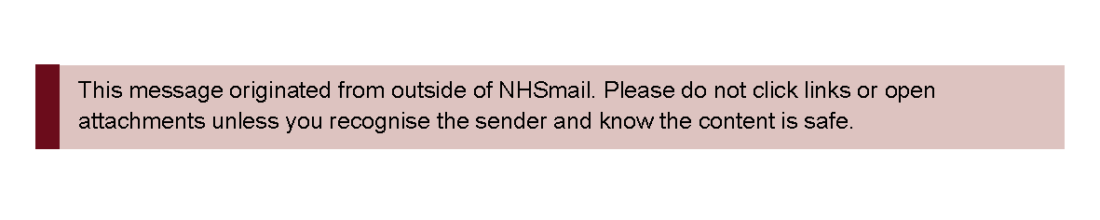
Even if your emails are not blocked, they can still be flagged with external security warnings, which can reduce engagement. These warnings appear when an email is sent from a domain that differs from the recipient’s domain—for example, when an email is sent from a “third-party” domain to an NHS inbox. NHS spam filters are designed to flag these emails, encouraging recipients to question the validity of the message before interacting with it.

How Does This Affect Engagement?

When recipients see a security warning, they are less likely to open the email, let alone click on any links within it. Even though the email may technically arrive in the inbox, the likelihood of engagement drops significantly. In an environment where critical NHS updates need to be communicated clearly, such warnings can pose a major barrier.

How to Prevent Security Warnings

To avoid security warnings, ensure that your emails are sent from a trusted domain. If you’re sending internal communications within the NHS, using the same domain (e.g., @nhs.uk) ensures that these warnings won’t appear. Platforms like NewZapp Trusted Delivery also help by sending all emails from your official NHS domain, eliminating the risk of security flags.

3. Spam Filters

Modern spam filters are more advanced than ever, relying on complex algorithms to identify potentially harmful or irrelevant emails. They analyse everything from content and HTML code quality to engagement rates and broken links. If your email triggers enough “spam-like” characteristics, it may end up in the recipient’s spam folder, even if it’s a legitimate internal communication.

Common Spam Triggers

Here are a few reasons why your NHS emails may be flagged by spam filters:

  • Overuse of spammy words (e.g., “free”, “urgent”, “click now”).
  • Poor HTML coding with formatting issues.
  • Low engagement rates, which could suggest your emails are unwanted.
  • Broken links or incorrectly formatted URLs.

Spam filters don’t consider whether an email is important or not—they simply look for signals that indicate whether it might be spam. This means your internal communications can be mistakenly flagged, even if they contain critical NHS updates.

How to Avoid Spam Filters

To reduce the risk of being flagged by spam filters:

  • Avoid spammy words and phrases in your email content.
  • Use clean and structured HTML coding in your emails.
  • Ensure that all links are valid and direct recipients to reputable sites.
  • Maintain good engagement rates by sending targeted and relevant content to your audience.

Additionally, platforms like NewZapp Trusted Delivery are designed to reduce the chances of your emails being flagged as spam by automatically ensuring your emails meet the technical requirements for NHS communications.

How to Avoid These Email Blockers

Navigating NHS Digital’s security protocols, avoiding external warnings, and bypassing spam filters can be complex, but it’s crucial to get it right—especially when communicating important information to NHS staff.

Join our upcoming webinar, “How to Stop Your NHS Communication Emails from Being Blocked,” on Thursday 14th July at 11:30. You’ll learn practical tips on how to optimise your email deliverability, overcome blockers, and ensure your communications reach the right people at the right time.

To register for the webinar, visit:
URL: https://www.newzapp.co.uk/nhs-email-webinar

Share This Post

darren hepburn

Darren Hepburn

Operations Director

Passionate about using my 30 yearsof owning my own businesses to help create better workplace environments.  A Bon Jovi loving TikTok junkie. I spend most of my time thinking about the impact technology is having on our society. And my pug Winston…

Change Management in the NHS: A Guide for Internal Communicators

Change Management in the NHS: A Guide for Internal Communicators

change-management-newzapp

Effective change management is essential for any NHS organisation, and internal communication plays a pivotal role in its success. Whether you’re implementing new systems, processes, or policies, change inevitably evokes a wide range of emotions among staff, from excitement to fear. This guide outlines eight key steps to ensure your NHS change management communication are supporting your change management projects effectively.

Share This Post

Why Internal Communication Matters in Change Management

Studies show that 70% of change initiatives fail. Effective internal communication can significantly reduce the risk of failure, helping your staff understand, engage with, and ultimately embrace change. Here are eight steps to ensure your communication strategy supports successful change in your NHS Trust.

1. Understand the Change Inside Out

Before you begin communicating, you must thoroughly understand the change project. Take time to research and answer the following questions:

  • What is the change, and what does it replace?
  • What is the purpose of the change?
  • Who is affected, and how?
  • What are the timelines and desired outcomes?
  • Who is leading the change, and who is involved?

This foundation allows you to build a robust communication plan that addresses the needs of all stakeholders. A detailed understanding of the project will also enable you to clearly articulate its goals and benefits.

For more guidance on NHS-specific change management, visit the NHS Leadership Academy’s Change Model.

2. Group Your Staff and Anticipate Their Reactions

NHS change initiatives impact different staff groups in varying ways. Segment your audience based on their involvement and anticipated response to the change:

  • Directly involved: These are staff directly affected by the change and may need frequent updates.
  • Indirect beneficiaries: Staff who will benefit but aren’t directly involved.
  • Inconvenienced: Those temporarily affected by disruptions caused by the change.

For each group, consider their potential concerns, emotions, and expectations at different stages of the process. Developing personas for these groups will help tailor your communication plan to their needs, ensuring that each message resonates effectively.

Learn more about creating employee personas from the CIPD’s Guide to Workforce Segmentation.

3. Map Your Change Management Internal Communications Plan

Next, map out your communications strategy using a timeline. This should detail who needs to be communicated with, what channels to use, and how often communication should occur. Consider a multi-channel approach to reach different staff effectively, including:

  • Email: Use targeted emails for detailed updates.
  • Intranet: Post regular news and updates.
  • Employee engagement apps: Use for real-time communication.
  • Face-to-face: Arrange in-person or virtual meetings for crucial discussions.

Determine the frequency of communication based on audience needs. Those directly involved may require frequent updates, while others may only need periodic summaries.

Share This Post

4. Create Clear and Reassuring Communications

Now that you’ve mapped your plan, it’s time to create your communications. Each message should follow the structure of Why, What, and How:

  • Why: Explain why the change is necessary and how it benefits the organisation and staff.
  • What: Outline what the change involves.
  • How: Explain how the change will be implemented and its impact on the recipient.

Focus on answering the key questions: What does it mean for me? and What’s in it for me? Tailor the language and tone to suit different groups, ensuring that each message is relevant and supportive.

For tips on crafting messages that resonate, explore Mind Tools’ Communication Skills Guide.

5. Engage Key Stakeholders in Your Communication Plan

Consider the different stakeholders who should be involved in your communication plan:

  • Project team: Ensure they are informed about communication plans at each stage.
  • Senior leaders: Even if they’re not involved in delivering messages, keep them updated to ensure they can support their teams effectively.
  • Advocates: Identify staff who are likely to support the change and can act as ambassadors to positively influence others.

Involving senior leadership and advocates from the outset will enhance the credibility and impact of your communication strategy. According to McKinsey, organisations with engaged leadership are 2.4 times more likely to achieve successful transformations.

6. Listen and Provide Space for Feedback

Communication is a two-way street. Staff need to feel heard throughout the change process. Provide safe spaces for staff to share their thoughts, concerns, and emotions. This could be through:

  • Focus groups: Offer a platform for open discussion.
  • Surveys: Collect anonymous feedback.
  • 1:1 meetings: Encourage line managers to check in regularly with their teams.

Additionally, you should monitor this feedback and adjust your communications where necessary to address concerns or clarify any misunderstandings.

For more on active listening and engagement, check out Gallup’s Guide on Employee Feedback.

7. Prepare for Change – and Be Ready to Adapt

Change management rarely goes exactly to plan. Prepare for the unexpected and be ready to adapt your NHS change management communication strategy if things change. Three common scenarios to plan for include:

  • Project delays: Update staff promptly if there are timeline changes.
  • Rumours: Use proactive communication to dispel misinformation.
  • Staff feedback: Act on feedback and incorporate staff suggestions into the plan where possible.

Anticipating these scenarios and reacting swiftly will help maintain trust and transparency.

For more guidance on managing organisational change, visit NHS England’s Change Management Resources.

8. Review and Learn from the Process

Once the change project is complete, take time to evaluate the effectiveness of your communication strategy. Ask yourself:

  • Did the communications achieve their goals?
  • Were staff well-informed and engaged?
  • What could be improved for future projects?

Seek feedback from both staff and project leaders to gain a comprehensive understanding of what worked and what didn’t. This reflection will provide valuable insights for future change initiatives.

The Key to Successful Change: Communication that Resonates

For change to succeed, staff need to buy into it. Your internal communications strategy must be designed to influence opinions, reduce uncertainty, and create understanding. By ensuring your NHS change management communication are well-timed, clear, and empathetic, you’ll help your staff adapt more smoothly, ensuring the overall success of the change project.

How NewZapp Trusted Delivery Supports NHS Change Communications

At NewZapp Trusted Delivery, we provide the tools NHS organisations need to communicate effectively. Our email platform allows for visually appealing and targeted messages, fast delivery, and in-depth engagement analytics—ensuring that you can monitor the effectiveness of your communication strategy. To learn more about how we can help streamline your NHS communications, get in touch today.

Share This Post

darren hepburn

Darren Hepburn

Operations Director

Passionate about using my 30 yearsof owning my own businesses to help create better workplace environments.  A Bon Jovi loving TikTok junkie. I spend most of my time thinking about the impact technology is having on our society. And my pug Winston…

5 steps to better support staff mental wellbeing

5 steps to better support staff mental wellbeing

mental wellbeing

Mental health is a growing concern across all sectors, but it is particularly pressing in healthcare. With 1 in 6 people reporting a mental health issue each week, the question arises: is your NHS Trust doing enough to support staff with their mental wellbeing?

In 2020/21, a staggering 822,000 employees in the UK reported work-related stress, depression, or anxiety. Additionally:

These statistics underscore the urgent need for NHS organisations to take proactive steps in supporting staff mental health. Below, we explore five ways internal communications can improve the mental wellbeing of NHS staff.

Share This Post

1. Signpost Employees to the Right Support Resources

Mental health is a deeply personal and varied experience. Each individual may respond differently to stress and may seek different forms of help. Internal communicators can play a crucial role by ensuring staff are aware of the full spectrum of support available to them. This can include:

  • A reminder of who the trained mental health first aiders are within the organisation.
  • Links to professional bodies that provide support, such as the NHS Practitioner Health Programme.
  • Signposting to charities and helplines such as Mind and Samaritans.

Additionally, reinforcing your organisation’s mental health policy demonstrates a commitment to staff wellbeing and reassures employees that their mental health is taken seriously.

For further guidance on supporting employee mental health, consider this overview from the Mental Health Foundation.

2. Highlight Workplace Stressors and Promote Positive Environments

Many factors in the work environment can negatively affect mental health, particularly in high-pressure settings like the NHS. By raising awareness of potential stressors, internal communications teams can help staff identify and address issues before they escalate. Common triggers include:

  • Unachievable deadlines
  • Excessive noise
  • Increased lone working
  • Poorly managed change within the organisation

By discussing these environmental and behavioural factors openly, you encourage staff to monitor their own mental health and take action when necessary. Additionally, promoting healthy work environments can foster more collaborative and supportive teams.

For more information on how to improve mental health through work environment changes, refer to the NHS Employers Guide on Stress at Work.

3. Tackle the Stigma Around Mental Health

Despite increased awareness, the stigma surrounding mental health persists, even within the NHS. Many individuals are still hesitant to seek professional help, fearing judgment or repercussions. Changing this perception is key to fostering a more supportive and open environment.

Lead from the top: Encouraging senior leaders and line managers to share their own experiences with mental health can significantly reduce the stigma. When employees see leadership being open and honest about mental health, they are more likely to feel comfortable doing the same.

For a powerful example of reducing stigma through leadership, take a look at the Mind Charity’s guide on changing workplace attitudes towards mental health

4. Equip Line Managers with the Right Tools

Line managers are the first point of contact for many employees experiencing mental health struggles. However, not all managers feel equipped to handle these sensitive conversations. You can support line managers by providing them with the necessary resources and guidance. Consider developing a line manager campaign that includes:

  • Access to mental health training.
  • A clear understanding of your organisation’s mental health policy.
  • The importance of regular check-ins and one-on-one meetings.
  • Guidance on how to initiate and manage conversations about mental health. The Mental Health at Work Gateway provides excellent resources for line managers.

Providing managers with the confidence and knowledge to handle mental health issues sensitively will ensure staff feel better supported and more likely to seek help when needed.

5. Consistently Communicate About Mental Wellbeing

One of the most effective ways to foster a culture of openness and support around mental health is through consistent communication. People absorb information in different ways, so it’s essential to use a variety of channels. Consider incorporating mental health topics into:

  • Induction processes for new staff.
  • Weekly tips for managers on how to support mental health.
  • Regular articles, posters, and resources spread across physical and digital platforms.

By consistently discussing mental health, you help normalise these conversations and make it easier for staff to seek help when needed. Internal communication strategies should aim to make mental wellbeing an ongoing priority.

For ideas on how to implement mental health initiatives through internal communication, visit the CIPD’s Mental Health at Work Guide:

Share This Post

More To Explore

darren hepburn

Darren Hepburn

Operations Director

Passionate about using my 30 yearsof owning my own businesses to help create better workplace environments.  A Bon Jovi loving TikTok junkie. I spend most of my time thinking about the impact technology is having on our society. And my pug Winston…

How you create NHS staff emails has just got better

How you create NHS staff emails has just got better

NHS staff emails

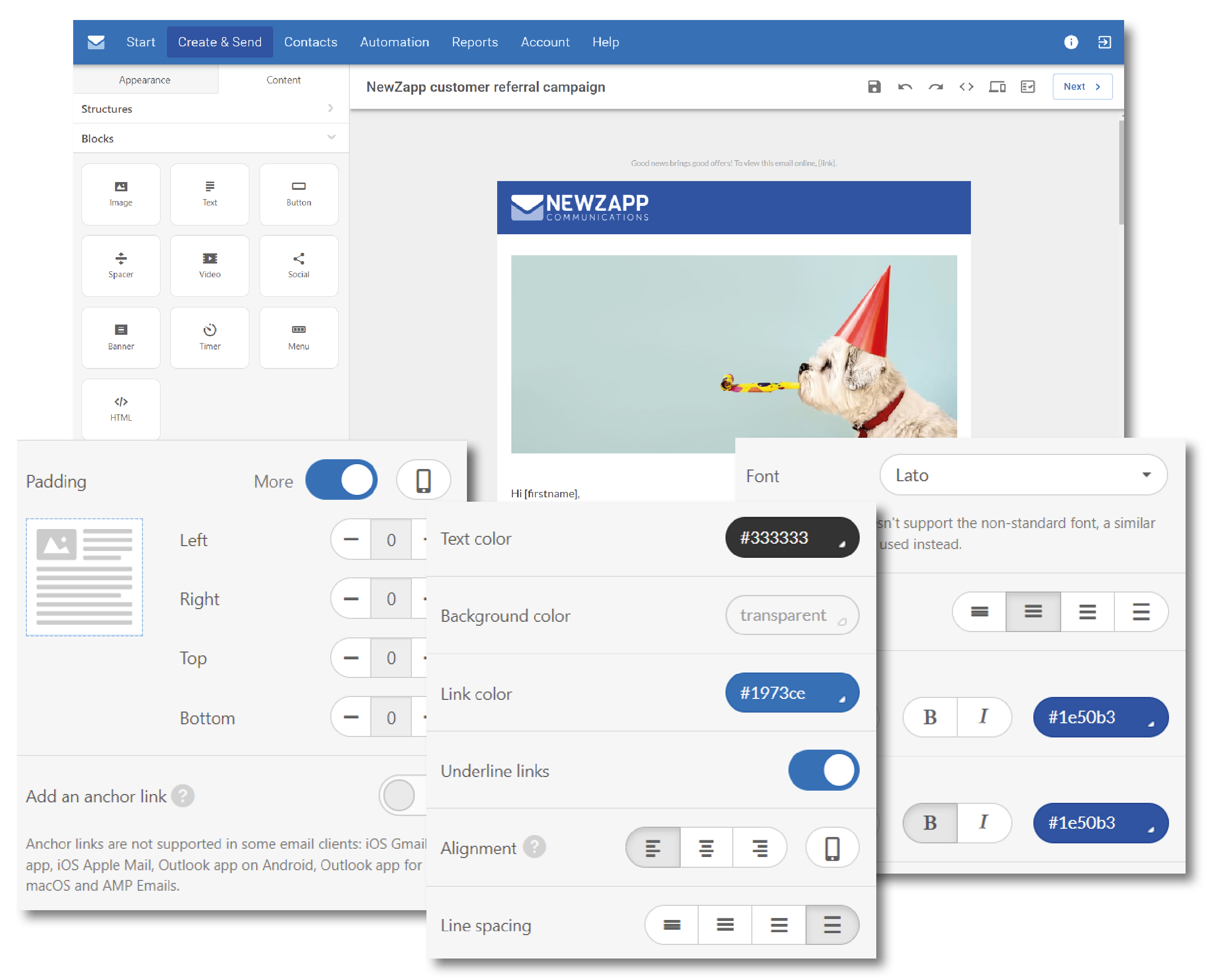
At NewZapp Trusted Delivery, we are excited to unveil our new email editor, designed to simplify and enhance the process of creating NHS staff emails. With an array of new features that improve efficiency, appearance, and functionality, this update takes email communication to a whole new level. Here’s why NHS teams will find it indispensable.

Share This Post

Effortless Creation of Stunning NHS Emails

The latest NewZapp email editor introduces a wide range of improvements aimed at making email creation faster, more efficient, and visually appealing. From more control over design elements to smooth drag-and-drop functionality, our new editor offers everything NHS internal communicators need to ensure messages are clear, professional, and engaging.

First Impressions Matter

Having used the new editor during development, I can say that this is the best email editing software I’ve encountered in my 20-year career. It strikes the perfect balance between innovation and familiarity, making it easy for experienced users to adapt quickly while offering a host of new features for power users.

Why It Works So Well

1. Familiarity with a Fresh Twist
Although the editor comes with many new capabilities, it feels comfortably familiar. I could find my way around quickly and, within days, I had adapted so well that I barely remembered the old interface.

2. Ease of Use
One of the hallmarks of the new editor is its ease of use. Many of the limitations that internal communicators once faced are now a thing of the past. A prime example is padding adjustments—an essential feature for email formatting that now takes just a few clicks to customise.

3. Beautiful Buttons, Customisation, and Video Integration
Customisation is key, and the new editor makes it simple. Creating buttons no longer requires uploading custom images; now, you can edit size, colour, and style within the tool. Similarly, adding videos to emails is effortless—you simply insert a link, and the editor pulls a thumbnail from the video platform. No more manual overlays!

 of my biggest bugbears previously! Padding blocks are a thing of the past. Now I can adjust the padding around any section, in any direction, with a few clicks. Take a look at the video below to see the difference this makes ⬇️ (Who knew I could get this excited about email padding!)

Smooth Drag n Drop

Previously the Drag n Drop was a bit clunky and I’d often end up dropping something into the wrong section by mistake. Now everything flows effortlessly, and they all snap together brilliantly.

The Power of Precision

In this release, the editor provides greater control over everything from the email layout to the mobile version display. Whether you’re adjusting font sizes, colours, or layout, you no longer need to rely on HTML expertise. Even custom corporate fonts are now supported, allowing NHS organisations to maintain brand consistency.

For insights into email personalisation for healthcare professionals, explore the Institute of Internal Communication’s research on email strategy (URL: https://www.ioic.org.uk/research).

Share This Post

Intuitive Features and Time-Saving Perks

Several new features are designed to improve workflow and save time:

  1. Saving Sections as Modules
    A key upgrade is the ability to save sections of your email as ‘modules’. These can be reused in future emails and are displayed as visual blocks, making it easy to identify and reuse them without needing to memorise names or descriptions.

  2. Enhanced Document Manager
    The upgraded Document Manager automatically fixes file names with spaces, preventing broken links. It also offers more flexibility with link appearance, allowing users to customise text colours and underline styles.

  3. Improved Image Editing
    The updated image editor is more intuitive, with tools and options exactly where you expect them to be. This improvement makes image handling much faster and easier.

For more on improving email marketing effectiveness through customisation, check out Forbes’ insights on email marketing trends (URL: https://www.forbes.com/sites/forbestechcouncil/2022/04/27/five-email-marketing-trends-for-2022-and-beyond/).

Added Perks for NHS Communicators

  1. Free Image Library
    The new editor includes a direct integration with image libraries like Pixabay and Pexels, giving users quick access to thousands of royalty-free images. This is particularly useful for NHS communicators who need visual content to accompany their messages.

  2. Countdown Clock
    Need to create urgency around events or deadlines? The editor now includes a countdown clock feature that can be embedded in emails, dynamically counting down in real-time—a simple yet impactful way to capture attention.

A New Way to Organise Your Emails

We’ve overhauled the way emails are organised within the platform. Gone are the days of manually sorting through folders; now, you can categorise emails using colour-coded topics. This tagging system allows you to assign multiple topics to a single email (e.g., “Health & Safety” and “Companywide Comms”) and filter emails by topic for easier access.

Even better, the upcoming NewZapp Trusted Delivery update will introduce performance reports based on these topics. This means you’ll be able to see how all emails under a certain category perform, giving you deeper insights into your communication strategies.

To explore more about the importance of email performance tracking, refer to NHS Digital’s Communication Strategy (URL: https://digital.nhs.uk/news-and-events/news/communication-strategy-report).

Spam Prevention Made Easy

An often overlooked but crucial aspect of email creation is ensuring that your messages don’t end up in spam folders. The spam checker tool is now enhanced, allowing users to scan their emails and receive instant feedback on elements that could trigger spam filters. Suggested improvements are clear and easy to implement.

Final Thoughts: A Game-Changing Upgrade

To truly appreciate the transformative power of the new email editor, you need to try it for yourself. By combining familiar features with intuitive new tools, it has revolutionised the email creation process for NHS staff. Whether you’re building simple internal updates or large-scale communications, NewZapp’s email editor ensures that your messages are polished, professional, and effective.

See for Yourself

If you’d like to experience the ease and efficiency of NewZapp Trusted Delivery’s new email editor, get in touch for a free demo. We’ll show you how this tool can make a tangible difference in how you create and send NHS staff emails.

Share This Post

Rachel Stidworthy

Marketing Manager

With over 15 years’ experience in communications I have seen first-hand the difference strong internal communications can make. I am passionate about helping organisations reap the rewards of an engaged workforce and feel privileged to work for an organisation that has this same passion. We can achieve more when we work together towards the same goals. 

More To Explore

create-engaging-nhs-internal-communications
Blog

NHS Internal Communications Email Analytics 2024

For internal communication teams within the NHS, finding the right channel to share and engage with Employees, Volunteers, Employee Representatives, Senior Managers and other internal stakeholders can be problematic; with ever increasing numbers of tools competing for attention, each claiming to be the ultimate engagement tool.

Read More »